Figuring Out

As you go about your daily routine, you often take your eyesight for granted. You blink, you focus, and you see the world around you without giving a second thought to the intricate mechanisms that allow you to do so. But what happens when something goes wrong? When your vision becomes blurry, or you start to notice floaters or flashes of light? That’s when you need the expertise of an ophthalmologist.
An ophthalmologist is a medical doctor who specializes in the diagnosis, treatment, and surgery of disorders and diseases of the eye. They are trained to examine the eye and its surrounding structures, and to provide a wide range of treatments to correct vision problems, from simple glasses prescriptions to complex surgeries. But what exactly do ophthalmologists do, and how do they help you maintain good eye health?
The first step in understanding the role of an ophthalmologist is to understand the different types of eye care professionals. There are three main categories: ophthalmologists, optometrists, and opticians. Ophthalmologists are medical doctors who have completed four years of medical school and several years of residency training in ophthalmology. They are licensed to perform surgery and prescribe medications. Optometrists, on the other hand, are healthcare professionals who have completed four years of college and have a Doctor of Optometry (OD) degree. They are trained to examine the eye and prescribe glasses and contact lenses, but they are not licensed to perform surgery. Opticians, meanwhile, are technicians who have completed a training program and are responsible for filling prescriptions and fitting glasses and contact lenses.
Now, let’s take a closer look at what ophthalmologists do. They are trained to diagnose and treat a wide range of eye conditions, from common problems like nearsightedness and farsightedness to more complex conditions like cataracts, glaucoma, and age-related macular degeneration. They use a variety of diagnostic tests, including visual acuity tests, refraction tests, and ophthalmoscopy, to examine the eye and determine the best course of treatment.
One of the most common reasons people visit an ophthalmologist is for a routine eye exam. During this exam, the ophthalmologist will use a variety of tests to assess your vision and detect any potential problems. They may use a phoropter, a device that allows them to change the power of lenses in front of your eyes to determine the correct prescription. They may also use a retinoscope, a device that shines a light into your eye to assess the reflection and determine the correct prescription.
In addition to routine eye exams, ophthalmologists also perform a variety of surgical procedures to correct vision problems. These procedures can range from simple cataract removals to more complex surgeries like LASIK and PRK. They may also perform procedures to treat conditions like glaucoma, such as trabeculectomy and shunt surgery.
But ophthalmologists don’t just treat vision problems – they also play a crucial role in maintaining good eye health. They can provide advice on how to protect your eyes from injury and disease, such as wearing sunglasses and avoiding smoking. They can also provide guidance on how to manage eye conditions, such as diabetes and hypertension, which can increase the risk of eye problems.
So, how do you know when you need to see an ophthalmologist? If you’re experiencing any of the following symptoms, it’s a good idea to schedule an appointment:
* Blurry vision or double vision
* Eye pain or discomfort
* Sensitivity to light
* Flashes of light or floaters
* Redness or discharge in the eye
* Difficulty seeing at night or in low light
In addition to these symptoms, ophthalmologists can also help you maintain good eye health by providing regular check-ups and screenings. They can detect potential problems early on, when they are easier to treat, and provide guidance on how to prevent eye problems from developing in the first place.
In conclusion, ophthalmologists play a vital role in maintaining good eye health and treating vision problems. They are trained to diagnose and treat a wide range of eye conditions, from common problems like nearsightedness and farsightedness to more complex conditions like cataracts and age-related macular degeneration. By understanding the role of an ophthalmologist and knowing when to seek their expertise, you can take control of your eye health and enjoy clear, healthy vision for years to come.
A Beginners Guide To
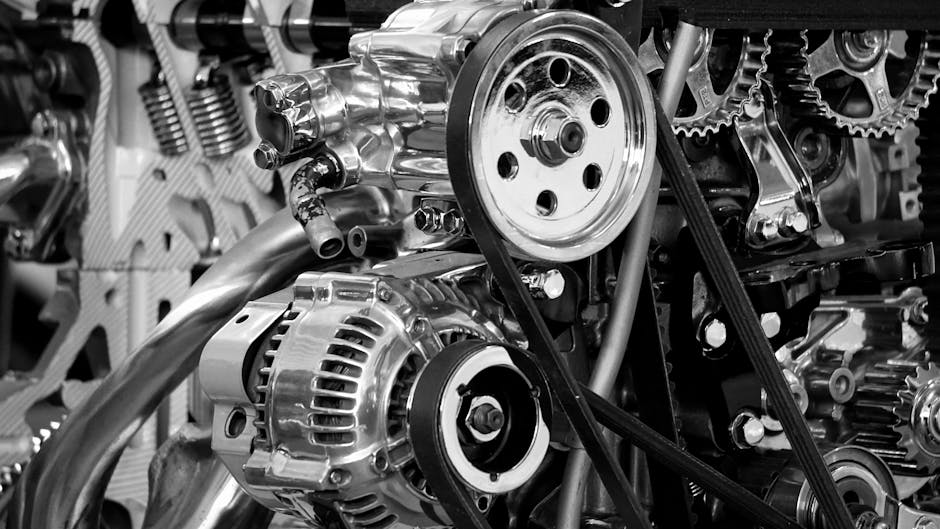 Recognizing Auto Fixing: A Comprehensive Overview
Auto repair is a vital service that makes certain vehicles remain safe and functional when traveling. Whether you’re experiencing a small problem or a major breakdown, recognizing the fundamentals of vehicle fixing can save you time and money. This guide will discover the different facets of automobile repair work, the common types of services available, and important tips for maintaining your automobile.
One of the most usual types of automobile repair work is routine maintenance, which often includes oil changes, tire turnings, and brake evaluations. Routine maintenance is crucial in stopping more significant issues down the line. As an example, failing to change your oil can result in engine issues that might need considerable and pricey repairs. It’s suggested to abide by the manufacturer’s maintenance schedule to maintain your lorry in top shape.
In addition to regular services, chauffeurs might run into unanticipated fixing needs. These can vary from electrical system failures and transmission issues to radiator leakages and exhaust concerns. Understanding these parts of your auto can help you share information properly to your technician, guaranteeing a quicker medical diagnosis and repair procedure. Additionally, familiarize yourself with advising signs such as weird sounds or control panel lights, which can indicate specific problems that call for interest.
Discovering a reliable mechanic is essential in guaranteeing quality repair services. Seek suggestions from buddies or household, checked out online testimonials, and examine qualifications. A respectable technician will give clear descriptions of necessary repair work and offer in-depth estimates of expenses prior to continuing. Additionally, developing a partnership with your mechanic can result in much better solution and insights right into your vehicle’s history, improving your total possession experience.
Last but not least, investing time in discovering some basic automobile repair work skills can be fairly helpful. Easy jobs like changing a tire, changing wiper blades, or checking fluid degrees can save you cash on small repairs. On-line tutorials and overviews make it less complicated than ever before to learn these skills, eventually encouraging you as a vehicle owner.
Finally, comprehending auto repair work is crucial for every single chauffeur. From regular maintenance to repairing unanticipated problems, being aggressive can lengthen the life of your automobile and boost security. By discovering a trusted mechanic and getting basic fixing knowledge, you can navigate the world of automobile repair with confidence and simplicity.
The Path To Finding Better
Find Out Why Food Plant Sanitation is Significant
Food plant sanitation is essential to ensuring the safety, quality, and integrity of food products, as well as protecting public health. The primary goal of sanitation in food processing facilities is to prevent contamination, which can occur through the presence of harmful microorganisms, chemicals, or physical contaminants. These microorganisms, including bacteria, viruses, and molds, can cause food borne illnesses, leading to outbreaks that pose serious risks to consumers. Inadequate sanitation practices increase the likelihood of these pathogens thriving in the production environment, which may lead to contaminated food reaching the market.
Regular cleaning and sanitizing of equipment, surfaces, and facilities in a food plant are vital to reduce the risk of cross-contamination between raw ingredients and finished products. For example, the residue left on production machinery from raw meat, dairy, or vegetables can serve as a breeding ground for harmful microorganisms if not properly cleaned. Effective sanitation prevents the transfer of these contaminants to other food products, helping to maintain the integrity of the supply chain. This is especially critical in food plants that process a wide variety of foods or deal with high-risk products, such as ready-to-eat meals, where even small levels of contamination can have serious consequences.
Furthermore, sanitation is important for meeting regulatory standards and maintaining compliance with food safety laws and industry certifications. Organizations such as the U.S. Food and Drug Administration (FDA), the European Food Safety Authority (EFSA), and other regulatory bodies set strict guidelines and regulations for hygiene and sanitation in food manufacturing. Failure to adhere to these regulations can result in legal penalties, product recalls, and damage to a company’s reputation. Maintaining high standards of cleanliness ensures that food plants are regularly inspected and can demonstrate compliance, which is critical for retaining consumer trust and continuing to operate in a highly regulated industry.
In addition to protecting consumers, food plant sanitation also impacts operational efficiency. A clean and well-maintained plant helps prevent equipment malfunctions and reduces downtime, as contaminants like grease, mold, or food residue can lead to clogged systems, rust, and other issues that require costly repairs. Regular sanitation minimizes the risk of these problems, ensuring that production processes run smoothly and minimizing the loss of resources. Moreover, a clean facility is more conducive to a safe working environment for employees. Workers in food processing plants are directly exposed to potential hazards, so maintaining sanitation not only protects the products but also safeguards the health and well-being of the staff.
The economic implications of inadequate sanitation cannot be understated. A lack of sanitation can lead to product recalls, legal liabilities, and consumer mistrust, all of which can have significant financial consequences for a business. Additionally, poor sanitation may result in the destruction of large quantities of contaminated food, contributing to food waste and financial losses. On the other hand, investing in regular cleaning and sanitation routines can help mitigate these risks, ensuring that products are consistently safe, high-quality, and marketable.
In conclusion, food plant sanitation plays a crucial role in ensuring public health, regulatory compliance, operational efficiency, and overall business success. By preventing contamination, safeguarding both food products and workers, and maintaining compliance with industry standards, food plants can minimize risks and contribute to a safer food supply. The importance of sanitation in food manufacturing cannot be overstated, as it directly affects the safety of consumers, the integrity of the food industry, and the longevity of the business.
What Has Changed Recently With ?
The Ultimate Guide to Shower Door Installation: Tips, Tricks, and Considerations
When it comes to renovating or building a bathroom, one of the most important decisions you’ll make is choosing the right shower door. Not only does it affect the aesthetic appeal of your bathroom, but it also plays a crucial role in functionality and safety. A well-installed shower door can make a huge difference in your daily routine, providing a sense of luxury and comfort. However, a poorly installed door can lead to leaks, water damage, and even accidents. In this article, we’ll walk you through the process of shower door installation, highlighting the key considerations, tips, and tricks to ensure a successful and stress-free experience.
Choosing the Right Shower Door
Before you start thinking about installation, it’s essential to select the right shower door for your bathroom. With so many options available, it can be overwhelming to make a decision. Consider the style of your bathroom, the size of your shower enclosure, and your personal preferences. Do you prefer a frameless, semi-frameless, or framed door? Are you looking for a sliding, hinged, or pivot door? Answering these questions will help you narrow down your options and choose the perfect door for your needs.
Measuring Your Shower Enclosure
Once you’ve chosen your shower door, it’s time to measure your shower enclosure. This is a critical step, as incorrect measurements can lead to a poor fit, leaks, and other issues. Take precise measurements of the width, height, and depth of your shower enclosure, including any obstructions such as plumbing fixtures or tile niches. Don’t forget to measure the threshold, as this will affect the installation of your door.
Preparing the Shower Enclosure
Before installation, ensure your shower enclosure is ready for the new door. Check for any signs of water damage, mold, or mildew, and address these issues before proceeding. Clean the area thoroughly, removing any old adhesive, caulk, or debris. If you’re replacing an existing door, remove the old door and any remaining hardware. This will give you a clean slate for the new installation.
Installing the Shower Door
Now it’s time to install your shower door. Start by applying a bead of silicone sealant to the threshold, ensuring a watertight seal. Next, attach the door frame to the shower enclosure using the manufacturer’s recommended hardware. Make sure the frame is level and plumb, as any deviations can affect the door’s performance. Install the door panels, ensuring they’re securely attached to the frame. Finally, add any finishing touches, such as handles or hinges.
Common Installation Mistakes to Avoid
Even with careful planning, mistakes can happen during shower door installation. One of the most common errors is failing to ensure the door is level and plumb. This can cause the door to sag, leading to leaks and other issues. Another mistake is not applying enough silicone sealant, resulting in water seepage and damage. Additionally, failing to follow the manufacturer’s instructions can lead to incorrect installation, voiding the warranty and causing problems down the line.
Tips for a Successful Installation
To ensure a successful shower door installation, follow these tips:
Use a level and plumb line to ensure the door frame is properly aligned.
Apply a generous amount of silicone sealant to the threshold and any other areas prone to water seepage.
Use the manufacturer’s recommended hardware and follow their instructions carefully.
Test the door regularly during installation to ensure it’s functioning correctly.
Consider hiring a professional if you’re not comfortable with the installation process.
Post-Installation Care and Maintenance
After installation, it’s essential to maintain your shower door to ensure it continues to function correctly. Regularly clean the door and surrounding area to prevent soap scum and mildew buildup. Check the door’s seals and hinges regularly, replacing them as needed. Avoid using abrasive cleaners or harsh chemicals, as these can damage the door’s finish.
Troubleshooting Common Issues
Despite your best efforts, issues can arise with your shower door. One common problem is water seepage, which can be caused by a variety of factors, including incorrect installation, worn-out seals, or clogged drains. To address this issue, inspect the door’s seals and replace them if necessary. Check the drain for blockages and clean it regularly to prevent clogs. If the problem persists, consider consulting a professional for further assistance.
Conclusion
Shower door installation may seem like a daunting task, but with the right guidance, it can be a stress-free experience. By choosing the right door, measuring your shower enclosure accurately, preparing the area, and following the manufacturer’s instructions, you’ll be well on your way to a successful installation. Remember to avoid common mistakes, follow tips for a successful installation, and maintain your door regularly to ensure it continues to function correctly. With a little patience and attention to detail, you’ll be enjoying your new shower door in no time.
What I Can Teach You About

Circleville, Ohio, is a city with a rich agricultural heritage, and its local CSA (Community Supported Agriculture) farms are a testament to this tradition. For those who value fresh, locally grown produce and want to support the local economy, Circleville’s CSA farms offer an excellent opportunity to do so. In this article, we’ll delve into the world of local CSA farms in Circleville, OH, and explore the benefits they provide to the community.
What is a CSA Farm?
Before we dive into the specifics of Circleville’s CSA farms, it’s essential to understand what a CSA farm is. A CSA farm is a type of farm that operates on a community-supported model. This means that consumers purchase a share of the farm’s produce on a regular basis, usually weekly or bi-weekly, and in return, they receive a selection of fresh, seasonal fruits and vegetables. This model allows consumers to connect directly with the farmers who grow their food, promoting a sense of community and transparency.
Benefits of Supporting Local CSA Farms
Supporting local CSA farms in Circleville, OH, has numerous benefits for both the consumer and the community. One of the most significant advantages is the freshness and quality of the produce. Because the produce is grown locally, it’s picked at the peak of freshness, ensuring that it’s more nutritious and flavorful than store-bought alternatives. Additionally, by supporting local CSA farms, you’re investing in the local economy, which helps to preserve the agricultural heritage of the area.
Another benefit of supporting local CSA farms is the opportunity to develop a relationship with the farmers who grow your food. This connection allows you to learn more about the farming process, ask questions about the produce, and even participate in farm events and workshops. This level of transparency and engagement is unparalleled in traditional grocery shopping experiences.
Types of Produce Available at Circleville’s CSA Farms
Circleville’s CSA farms offer a diverse range of produce, depending on the season. During the spring and summer months, you can expect to find an abundance of fresh fruits and vegetables, such as strawberries, blueberries, tomatoes, cucumbers, and squash. In the fall, the selection shifts to include root vegetables like carrots, beets, and potatoes, as well as apples and pears. During the winter months, many CSA farms offer storage crops like onions, garlic, and winter squash.
Some CSA farms in Circleville may also offer additional products, such as eggs, dairy products, and baked goods. These items are often sourced from other local farmers and artisans, further supporting the local economy.
How to Find a Local CSA Farm in Circleville, OH
Finding a local CSA farm in Circleville, OH, is relatively easy. One of the best ways to start your search is by visiting the Local Harvest website, which provides a comprehensive directory of CSA farms across the United States. Simply enter your zip code, and you’ll be presented with a list of nearby CSA farms, including those in Circleville.
Another way to find a local CSA farm is by attending the Circleville Farmers’ Market, which takes place every Saturday morning during the growing season. Many CSA farms in the area participate in the market, offering samples of their produce and information about their CSA programs.
What to Expect from a CSA Farm in Circleville, OH
When you join a CSA farm in Circleville, OH, you can expect to receive a regular delivery of fresh, seasonal produce. The frequency and quantity of the deliveries will vary depending on the farm and the type of share you purchase. Some farms may offer weekly deliveries, while others may deliver every other week.
In addition to the produce, many CSA farms in Circleville offer recipes, cooking tips, and storage advice to help you make the most of your share. Some farms may also host farm events, such as potluck dinners, farm tours, and workshops, which provide an opportunity to connect with other CSA members and learn more about the farming process.
Tips for Making the Most of Your CSA Experience
To get the most out of your CSA experience, it’s essential to be flexible and open-minded. Because the produce is seasonal, you may receive items that you’re not familiar with or haven’t cooked before. Don’t be afraid to try new recipes and experiment with different cooking techniques.
Another tip is to plan ahead and make a weekly meal plan based on the produce you receive. This will help you use up all the items in your share and reduce food waste. You can also consider sharing your CSA share with friends or family members, which can help make the experience more affordable and enjoyable.
Conclusion
Circleville, OH, is home to a thriving community of local CSA farms, each offering a unique and rewarding experience for consumers. By supporting these farms, you’re not only getting access to fresh, locally grown produce, but you’re also investing in the local economy and preserving the agricultural heritage of the area. Whether you’re a seasoned foodie or just looking for a way to eat healthier, Circleville’s CSA farms are definitely worth exploring.
6 Facts About Everyone Thinks Are True
As summer season strategies, the last point any person wants is for their cooling (AIR CONDITIONER) unit to break down. A malfunctioning air conditioning system can cause uneasy living problems and pricey repair service bills if not attended to without delay. Recognizing exactly how to identify and take care of prospective troubles with your AC system can save you time, money, and stress. This overview aims to aid you with every little thing you require to understand about a/c fixing.
One of the primary steps in a/c fixing is to diagnose the problem. Usual problems include poor cooling, weird sounds, and unforeseen leaks. If your a/c isn’t blowing cool air, inspect your thermostat setups to ensure it’s readied to ‘cool’ setting and that the temperature is completely lower than the existing space temperature level. Furthermore, examining and changing dirty air filters is crucial, as clogged up filters can limit air flow, making your system job harder and much less successfully.
One more crucial facet of air condition repair service is recognizing the role of refrigerant. If you see ice basing on your a/c or hear hissing sounds, this could show a refrigerant leak. Low cooling agent degrees can prevent the system’s performance and might damage the compressor if left unaddressed. It’s finest to speak to a licensed service technician to take care of refrigerant repair services given that they call for customized understanding and tools to guarantee security and compliance with environmental policies.
Regular maintenance can usually prevent the demand for substantial repair services. Set up an annual evaluation with a licensed a/c professional to clean components, check for leaks, and ensure all components of the system are operating correctly. Throughout these inspections, technicians can detect potential issues before they escalate, saving you from sudden breakdowns throughout optimal warmth days.
Finally, comprehending the basics of air conditioning repair work can aid you react more promptly to problems that develop. By regularly maintaining your devices and knowing when to hire a specialist, you can prolong the life of your cooling system while maintaining your home comfy in even the hottest months. Don’t allow a little issue become a pricey repair work– stay positive, and delight in an awesome, comfortable summertime!
Understanding
 The Importance of a Good Plumbing Contractor
Plumbing is a vital aspect of modern living, serving as the backbone of clean water supply and waste management systems within residential and commercial buildings. A well-functioning plumbing system not only ensures the health and safety of occupants but also significantly influences the overall functionality of a property. This underscores the critical importance of hiring a good plumbing contractor, as the quality of installation, maintenance, and repairs directly affects the longevity and efficiency of these systems.
Expertise and Technical Knowledge
One of the most significant benefits of hiring a skilled plumbing contractor lies in their expertise and technical knowledge. Good contractors are usually certified and possess the training necessary to handle complex plumbing challenges. They are well-versed in local building codes and regulations, which can vary widely by location. This knowledge helps to ensure that all work complies with legal requirements and industry standards, reducing the risk of fines or additional costs from code violations. Moreover, experienced plumbers can quickly diagnose problems that may not be evident to the untrained eye, allowing for efficient and effective solutions.
Time and Cost Efficiency
Engaging a proficient plumbing contractor can lead to significant time and cost savings in the long run. Although it may be tempting to attempt DIY repairs or hire less experienced individuals based on lower upfront costs, these approaches often result in substantial expenses over time. Inexperienced work can result in repeated issues, necessitating additional repairs and affecting the overall efficiency of the plumbing system. A skilled contractor can swiftly identify the root cause of plumbing issues and implement the right solutions, minimizing disruption and ensuring that repairs are done right the first time. This efficiency not only saves time but also mitigates future costs, as it reduces the likelihood of recurring problems.
Emergency Response
Plumbing issues can arise unexpectedly, often at the most inconvenient times. A reliable plumbing contractor understands the urgency of these emergencies and provides timely responses to urgent situations. Having a trusted contractor on speed dial can be invaluable, whether it’s a burst pipe, severe leak, or overflowing toilet. Quick and professional responses can prevent further damage to the property and mitigate potential health hazards associated with plumbing failures. Many reputable plumbing contractors offer emergency services, allowing homeowners and business owners peace of mind in knowing that help is just a call away.
Customer Relationship and Service
Finally, a good plumbing contractor prioritizes customer service and satisfaction. They often establish long-term relationships with their clients, characterized by trust and reliability. A quality contractor takes the time to communicate clearly, answering any questions and explaining the reasoning behind their recommendations. This transparency fosters a collaborative approach to plumbing maintenance, empowering property owners to make informed decisions about their systems. Furthermore, a contractor who values customer feedback is more likely to deliver a better overall experience, taking client needs and preferences into account during service.
Conclusion
In conclusion, the importance of hiring a good plumbing contractor cannot be overstated. Their expertise, commitment to quality workmanship, efficiency in addressing plumbing issues, responsiveness to emergencies, and dedication to customer service collectively underscore their essential role in maintaining healthy and functional plumbing systems. By prioritizing the selection of a qualified contractor, property owners not only safeguard their investments but also ensure the well-being and comfort of those who inhabit their spaces. Investing in a good plumbing contractor is undoubtedly a step toward achieving reliable and efficient plumbing solutions.
– Getting Started & Next Steps
How to Treat a Piano Injury Recovery
Playing the piano is a deeply rewarding and expressive art form, but it can also lead to various physical injuries, particularly in the hands, wrists, and arms. As pianists often endure long hours of practice and performance, repetitive strain injuries (RSIs) are common, leaving musicians sidelined and in pain. Understanding how to treat and recover from these injuries is crucial for any pianist’s longevity and well-being. This essay outlines effective strategies for piano injury recovery, emphasizing prevention, treatment, rehabilitation, and self-care.
Understanding Piano Injuries
Before exploring treatment options, it’s essential to recognize the types of injuries that pianists may encounter. Common issues include tendonitis, carpal tunnel syndrome, and muscle strain. These injuries typically result from repetitive motions, improper posture, or overuse. Symptoms often manifest as pain, stiffness, swelling, or numbness in the affected areas, making it clear that immediate care is necessary to prevent long-term damage.
Ice
Applying ice to the injured area for about 15-20 minutes several times a day helps reduce swelling and alleviate pain. Ensure that ice is wrapped in a cloth to avoid direct contact with the skin.
Compression
Using elastic bandages or compression wraps can help reduce swelling and support the injured area. However, care should be taken not to wrap too tightly, as this might impede circulation.
Elevation Elevating the injured wrist or hand can further assist in reducing swelling. Keeping the affected limb above heart level while resting can promote optimal blood flow and accelerate healing.
Seeking Professional Help
After the initial treatment, consulting with a healthcare professional, such as a physician or physical therapist, is advisable. They can conduct a comprehensive assessment and recommend an appropriate treatment plan. Depending on the severity of the injury, these may include:
Physical Therapy
A physical therapist can devise a regimen of exercises aimed at strengthening and stretching the affected muscles and tendons. These exercises not only foster recovery but also improve flexibility and overall hand function.
Once initial pain subsides, the recovery process shifts toward rehabilitation. This phase emphasizes gradual reintroduction to playing the piano. Pianists should avoid rushing back into practice; instead, they should start with short sessions, gradually increasing duration as comfort permits. Focus on playing scales or simple pieces before progressing to more challenging repertoire.
Incorporating ergonomic techniques and adjustments in posture during practice can help prevent re-injury. This includes ensuring a proper bench height, hand position, and relaxed shoulders, allowing for fluid and controlled movements. A qualified piano teacher can assist in identifying and correcting any harmful habits.
Self-Care and Prevention
Preventing future injuries is a vital component of a pianist’s recovery journey. Alongside regular breaks during practice, pianists should engage in hand stretches and strengthening exercises to maintain flexibility and resilience. Important stretches can include finger flexion and extension, wrist rolls, and forearm stretches.
Additionally, maintaining a balanced lifestyle with adequate hydration, nutrition, and rest can enhance overall physical health and support recovery.
Conclusion
Treating a piano injury requires not only immediate care but also a commitment to rehabilitation and prevention. By following the R.I.C.E. method, seeking professional guidance, and gradually returning to play with attention to ergonomics, pianists can ensure a successful recovery. Emphasizing self-care and preventive measures will support a long-lasting musical journey, allowing musicians to continue expressing their passion without succumbing to injury.
The Path To Finding Better

Los Angeles, a city known for its sunny weather, beaches, and vibrant culture, is also home to a large number of dog owners who are passionate about their furry friends. With so many dog trainers in Los Angeles, it can be overwhelming to find the right one for your pup. In this article, we will provide you with a comprehensive guide to help you navigate the world of dog training in LA and find the perfect trainer for your dog.
1. Understanding Dog Training
Before we dive into the world of dog trainers in Los Angeles, it’s essential to understand the basics of dog training. Dog training is a process that involves teaching your dog new behaviors, correcting existing ones, and strengthening the bond between you and your pet. There are various methods and techniques used in dog training, including positive reinforcement, clicker training, and obedience training. As a dog owner, it’s crucial to understand the different methods and choose the one that best suits your dog’s needs and personality.
2. Types of Dog Trainers in Los Angeles
Los Angeles is home to a diverse range of dog trainers, each with their unique approach and specialization. Some dog trainers in LA specialize in specific breeds, while others focus on specific behaviors, such as agility training or therapy dog training. Here are some of the most common types of dog trainers you’ll find in Los Angeles:
* Obedience trainers: These trainers focus on teaching your dog basic obedience commands, such as sit, stay, and come.
* Agility trainers: These trainers specialize in teaching your dog to navigate obstacle courses and perform complex physical tasks.
* Behavior modification trainers: These trainers work with dogs that have behavioral issues, such as barking, chewing, or digging.
* Puppy trainers: These trainers specialize in working with young puppies, teaching them basic manners and socialization skills.
* Therapy dog trainers: These trainers work with dogs that are trained to provide comfort and companionship to people in need.
3. How to Choose the Right Dog Trainer in Los Angeles
Choosing the right dog trainer in Los Angeles can be a daunting task, especially with so many options available. Here are some tips to help you make the right choice:
* Research: Start by researching different dog trainers in LA and reading reviews from other dog owners.
* Ask for referrals: Ask your veterinarian, friends, or family members for recommendations.
* Check credentials: Make sure the trainer has the necessary certifications and experience.
* Observe a training session: Watch a training session to get a sense of the trainer’s style and approach.
* Ask questions: Don’t be afraid to ask questions about the trainer’s methods, experience, and philosophy.
4. Benefits of Working with a Dog Trainer in Los Angeles
Working with a dog trainer in Los Angeles can have numerous benefits for you and your dog. Here are some of the most significant advantages:
* Improved behavior: A dog trainer can help you address behavioral issues, such as barking, chewing, or digging.
* Stronger bond: A dog trainer can help you strengthen the bond between you and your dog, improving communication and trust.
* Increased confidence: A dog trainer can help you build confidence in your dog’s abilities and behavior.
* Socialization: A dog trainer can help your dog socialize with other dogs and people, reducing anxiety and fear.
5. How to Find Dog Trainers in Los Angeles
Finding dog trainers in Los Angeles is easier than ever, thanks to the internet and social media. Here are some ways to find dog trainers in LA:
* Online directories: Websites like Yelp and Google Maps allow you to search for dog trainers in LA and read reviews from other dog owners.
* Social media: Follow dog trainers in LA on social media platforms like Facebook and Instagram to learn more about their services and philosophy.
* Word of mouth: Ask your veterinarian, friends, or family members for recommendations.
* Local pet stores: Many local pet stores in LA offer dog training services or can recommend a reputable trainer.
6. Cost of Dog Training in Los Angeles
The cost of dog training in Los Angeles can vary depending on the trainer, the type of training, and the length of the training session. Here are some general estimates:
* Group training sessions: $20-$50 per session
* Private training sessions: $50-$100 per session
* Package deals: $100-$500 for a series of sessions
* Online training: $20-$50 per month
7. Tips for Working with a Dog Trainer in Los Angeles
Working with a dog trainer in Los Angeles requires patience, consistency, and communication. Here are some tips to help you get the most out of your training sessions:
* Be consistent: Consistency is key when it comes to dog training. Make sure you’re practicing the same commands and behaviors at home as you are in training sessions.
* Communicate: Communicate openly with your trainer about your dog’s progress, any challenges you’re facing, and any concerns you may have.
* Be patient: Dog training is a process that takes time and patience. Don’t expect your dog to learn everything overnight.
* Practice regularly: Practice regularly with your dog to reinforce what you’re learning in training sessions.
8. Common Mistakes to Avoid When Working with a Dog Trainer in Los Angeles
When working with a dog trainer in Los Angeles, it’s essential to avoid common mistakes that can hinder the training process. Here are some common mistakes to avoid:
* Not being consistent: Consistency is key when it comes to dog training. Make sure you’re practicing the same commands and behaviors at home as you are in training sessions.
* Not communicating: Communicate openly with your trainer about your dog’s progress, any challenges you’re facing, and any concerns you may have.
* Expecting too much: Don’t expect your dog to learn everything overnight. Dog training is a process that takes time and patience.
* Not practicing regularly: Practice regularly with your dog to reinforce what you’re learning in training sessions.
9. Conclusion
Finding the right dog trainer in Los Angeles can be a daunting task, but with the right approach and research, you can find a trainer that meets your needs and helps you achieve your goals. Remember to research, ask for referrals, check credentials, observe a training session, and ask questions before choosing a trainer. With the right trainer and consistent practice, you can help your dog become a well-behaved and well-adjusted member of your family.
Lessons Learned from Years with
The Art of Tuning In: Understanding the Science Behind Remote Control Technology
In today’s world, remote control technology has become an integral part of our daily lives. From the TV remote to the gaming console, we rely on these devices to control our entertainment systems, navigate through menus, and interact with our devices. But have you ever stopped to think about the science behind remote control technology? How does it work, and what makes it so effective? In this article, we’ll delve into the world of remote control technology and explore the fascinating science behind it.
1. The Basics of Remote Control Technology
A remote control is essentially a device that sends signals to a receiver, which then interprets those signals and performs the desired action. The most common type of remote control technology is infrared (IR) technology, which uses light to transmit signals. IR remotes work by emitting a specific pattern of light pulses, which are then detected by the receiver and translated into commands.
2. How IR Remotes Work
IR remotes use a specific wavelength of light, typically between 850-950 nanometers, to transmit signals. When you press a button on the remote, a photodiode in the remote converts the electrical signal into a light pulse. This light pulse is then transmitted through the air to the receiver, which is usually located on the device being controlled. The receiver detects the light pulse and converts it back into an electrical signal, which is then interpreted by the device’s microprocessor.
3. The Science of Signal Transmission
The science behind remote control technology is based on the principles of signal transmission and reception. When you press a button on the remote, the electrical signal is converted into a light pulse, which is then transmitted through the air. The receiver detects this light pulse and converts it back into an electrical signal, which is then interpreted by the device’s microprocessor. This process is known as modulation, and it’s the key to remote control technology.
4. Modulation and Demodulation
Modulation is the process of converting an electrical signal into a light pulse, while demodulation is the process of converting the light pulse back into an electrical signal. In IR remotes, modulation is achieved through the use of a photodiode, which converts the electrical signal into a light pulse. Demodulation is achieved through the use of a phototransistor, which converts the light pulse back into an electrical signal.
5. The Importance of Frequency
Frequency is a critical component of remote control technology. IR remotes use a specific frequency range, typically between 30-60 kHz, to transmit signals. This frequency range is chosen because it’s outside the range of human hearing, making it less prone to interference. The receiver is tuned to the same frequency range, allowing it to detect and interpret the signals sent by the remote.
6. Interference and Signal Strength
One of the biggest challenges facing remote control technology is interference. When multiple devices are transmitting signals in the same frequency range, it can cause interference and affect the performance of the remote. To mitigate this, IR remotes use a technique called frequency hopping, which rapidly switches between different frequency channels to minimize interference.
7. The Future of Remote Control Technology
As technology continues to evolve, we can expect to see new and innovative applications of remote control technology. For example, wireless charging technology is becoming increasingly popular, and it’s likely that we’ll see more devices that can be controlled wirelessly. Additionally, advancements in artificial intelligence and machine learning are likely to lead to more sophisticated and intelligent remote control systems.
8. Conclusion
In conclusion, remote control technology is a fascinating field that relies on the principles of signal transmission and reception. From the basics of IR technology to the science of modulation and demodulation, there’s a lot to learn about how remote controls work. By understanding the science behind remote control technology, we can appreciate the complexity and sophistication of these devices, and look forward to the exciting innovations that are on the horizon.