5 Uses For

For both newbie and skilled anglers, fly fishing uses a special and tough means to get in touch with nature while going after the elusive catch. To improve this experience, working with an educated fly fishing overview can make all the difference. Guides offer useful insights into regional waters, methods, and the best times to fish, eventually raising your possibilities of an effective getaway. In this post, we’ll discover the advantages of working with a fly angling guide, how to select the ideal one, and what to expect from your guided fishing trip.
Among the main benefits of hiring a fly angling overview is their competence. These specialists possess a deep understanding of the regional ecosystems, climate condition, and fish habits. With this understanding, they can lead you to the most effective angling areas, which you may not uncover by yourself. Whether you are targeting trout in cool streams or bass in cozy lakes, an overview can tailor your experience to suit your fishing objectives and ability degree.
When selecting a fly angling guide, consider their qualifications, experience, and client reviews. Seek guides who are registered with professional organizations and who possess the necessary licenses for the area you’ll be angling in. In addition, take the time to review reviews from previous clients. This will offer you insight right into their angling style, interaction abilities, and general efficiency as an overview. Do not wait to ask prospective overviews about their technique to training newbies if you’re brand-new to the sport.
Expect your assisted journey to be more than simply angling. The majority of fly fishing overviews are eager to share their passion for the sport and educate you on numerous techniques. They can provide pointers on casting, fly choice, and reviewing the water, all of which will certainly enhance your angling skills. In addition, guides typically assist with setting up equipment and preserving security throughout the journey, permitting you to focus on enjoying your time on the water.
Finally, working with a fly fishing overview can improve your angling experience, supplying both proficiency and local knowledge of the area. As you prepare for your next fishing journey, take the time to study and pick an overview who aligns with your demands. With the ideal guide, you’ll not only increase your possibilities of landing that trophy fish yet also obtain brand-new abilities and insights that will certainly strengthen your recognition for the art of fly angling.
Why Aren’t As Bad As You Think
Looking On The Bright Side of
Getting Creative With Advice
In today’s fast-paced globe, innovation has ended up being a cornerstone of the friendliness sector. Click for more on this site. From enhancing visitor experiences to simplifying procedures, modern hospitality administration significantly relies upon innovative solutions. As resorts, restaurants, and event venues make every effort to fulfill and surpass the expectations of the tech-savvy consumer, comprehending the function of modern technology in hospitality monitoring is vital. View here for info.
One of the most substantial advancements in friendliness modern technology is the implementation of building monitoring systems (PMS). These incorporated software program remedies enable resort drivers to handle bookings, check-ins, check-outs, and visitor information done in one area. By automating mundane jobs, team can concentrate much more on providing phenomenal client service. A properly designed PMS can substantially boost functional performance and contribute to higher guest fulfillment degrees. Read more here about this product.
In addition, modern technology has changed communication within the friendliness sector. Tools such as mobile applications and chatbots make it possible for seamless interactions in between visitors and team. Guests can now book, order space service, or request maintenance by means of their smartphones, improving their benefit and contentment. Furthermore, leveraging data analytics permits hospitality organizations to gather insights into visitor choices and behaviors, inevitably tailoring services to fulfill individual demands. Click here to read more about this company.
In recent years, the surge of contactless innovation has actually additionally improved the friendliness experience, especially taking into account the worldwide pandemic. Contactless check-in and check-out remedies not only enhance safety yet also add to a smoother, a lot more efficient process. Visitors can enter their spaces using mobile keys, access solutions via QR codes, and appreciate an extra streamlined experience generally. As the market remains to adjust to altering health and wellness guidelines, these technologies are most likely to stay a long-term component in hospitality administration. check it out!
Ultimately, innovation in friendliness doesn’t simply profit guests; it plays an important role in enhancing advertising and marketing techniques also. With the availability of social networks platforms, friendliness companies can engage with consumers in real time, advertise special deals, and gather reviews and feedback. Reliable online marketing methods powered by customer information evaluation can substantially increase presence and improve reputation, inevitably adding to increased profits. Read more now about this service.
In conclusion, the role of modern technology in modern friendliness administration is diverse and continually advancing. View here! From enhancing operational effectiveness to improving visitor experiences and maximizing advertising and marketing methods, modern technology is improving the market landscape. Embracing these developments will certainly not only setting friendliness businesses for success today however also prepare them for the difficulties and opportunities of tomorrow.
A 10-Point Plan for (Without Being Overwhelmed)

When it comes to recording music, the quality of the sound is paramount. A good recording can make all the difference between a mediocre track and a chart-topping hit. One of the most important factors in achieving high-quality sound is acoustic isolation. This refers to the ability to control and manipulate the sound waves in a recording space to achieve the desired tone and clarity. In this article, we’ll explore the importance of acoustic isolation and how it can be achieved through the use of a drum booth.
Acoustic isolation is crucial for capturing the best possible sound in a recording. When sound waves are allowed to bounce off the walls and ceiling of a room, they can become distorted and muffled, resulting in a less-than-ideal sound. By creating a controlled environment, such as a drum booth, you can minimize the amount of sound that is reflected back into the microphone, resulting in a cleaner and more accurate sound.
A drum booth is a specially designed room or enclosure that is designed to provide maximum acoustic isolation. These booths are typically made of sound-absorbing materials such as foam or fiberglass, which help to reduce the amount of sound that is reflected back into the microphone. They are also designed to be airtight, which helps to prevent sound from leaking in or out of the booth.
One of the key benefits of using a drum booth is that it allows you to control the sound of your drums more effectively. By placing the drums inside the booth, you can isolate the sound of the drums from the rest of the room, which allows you to focus on the sound of the drums themselves. This can be particularly useful when recording drums, as it allows you to capture the sound of the drums in a more accurate and detailed way.
Another benefit of using a drum booth is that it can help to reduce the amount of bleed that occurs during recording. Bleed refers to the sound of other instruments or sounds that are picked up by the microphone, which can be distracting and detract from the overall sound of the track. By placing the drums inside the booth, you can minimize the amount of bleed that occurs, which allows you to focus on the sound of the drums and other instruments.
In addition to its benefits for recording, a drum booth can also be useful for practicing and rehearsing. By providing a controlled environment, a drum booth can help you to focus on your playing and improve your skills. It can also be useful for recording video or audio for social media or other online platforms.
When choosing a drum booth, there are several factors to consider. One of the most important factors is the size of the booth. A larger booth will provide more space for the drums and other equipment, but it may also be more expensive. A smaller booth may be more affordable, but it may not provide as much space for the drums.
Another factor to consider is the material used to build the booth. A booth made of sound-absorbing materials such as foam or fiberglass will provide better acoustic isolation than one made of other materials. You should also consider the durability of the booth, as well as its ease of setup and teardown.
Finally, you should consider the cost of the booth. Drum booths can range in price from a few hundred dollars to several thousand dollars, depending on the size and materials used. It’s important to set a budget and stick to it, as well as to consider the long-term benefits of investing in a high-quality drum booth.
In conclusion, a drum booth is an essential tool for any musician or recording engineer. By providing maximum acoustic isolation, a drum booth can help you to capture the best possible sound in your recordings. Whether you’re recording drums, practicing, or rehearsing, a drum booth can help you to improve your skills and achieve the sound you’re looking for. With its many benefits and advantages, a drum booth is an investment that is well worth considering.
Tips for The Average Joe
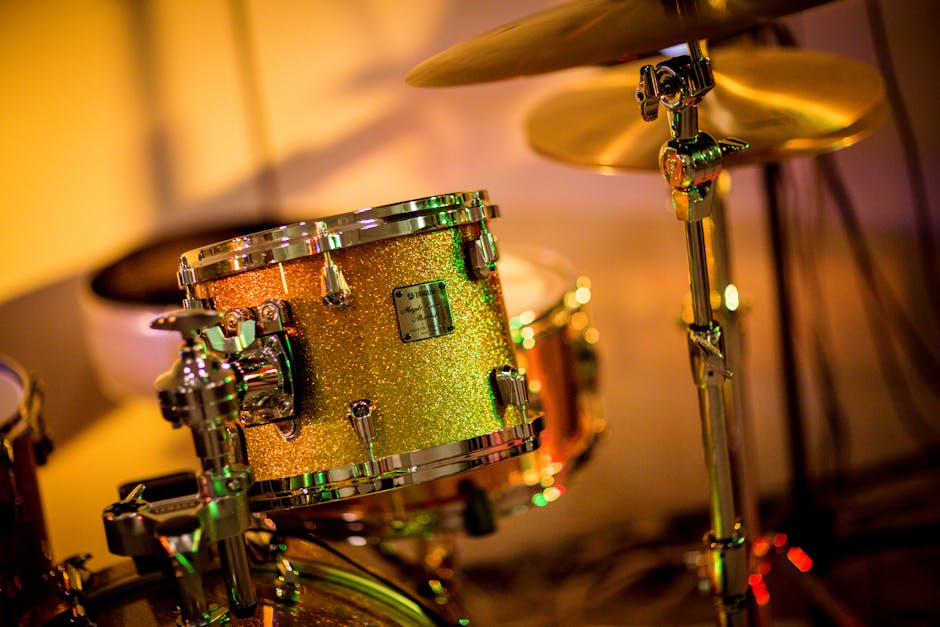 “Rhythmic Sanctuaries: The Importance of Drum Booths in Music Production”
In the world of music production, the drum booth is often overlooked as a crucial component of the recording process. However, this specialized space plays a vital role in capturing the perfect drum sound, and its absence can significantly impact the overall quality of the final product. In this article, we’ll delve into the importance of drum booths, their history, and the benefits they provide to musicians and producers.
A drum booth is a specially designed room or enclosure that is used to record drums and other percussion instruments. The primary purpose of a drum booth is to isolate the sound of the drums from the rest of the recording space, allowing for a cleaner and more focused sound. This is achieved through the use of soundproofing materials, such as acoustic panels and mass-loaded vinyl, which absorb or block sound waves from entering or leaving the booth.
The concept of the drum booth dates back to the early days of recording, when musicians and producers sought to capture the perfect drum sound. In the 1950s and 1960s, drum booths were often makeshift structures built into the walls of recording studios. These early booths were designed to reduce echo and reverberation, allowing for a more controlled and precise sound.
Today, drum booths are a standard feature in many professional recording studios. They come in a variety of shapes and sizes, from small, compact booths to large, sprawling spaces. Some drum booths are designed specifically for recording drums, while others can be used for recording a wide range of instruments and vocals.
One of the primary benefits of a drum booth is its ability to reduce ambient noise and external distractions. By isolating the sound of the drums, the booth allows the drummer to focus on their performance, without being distracted by the sounds of the surrounding environment. This can be particularly important in noisy recording spaces, where external noise can bleed into the recording and compromise the overall sound.
Another benefit of a drum booth is its ability to enhance the sound of the drums themselves. By reducing the amount of reverberation and echo, the booth allows the drummer to hear their performance more clearly, and to make adjustments as needed. This can be particularly important for drummers who are looking to achieve a specific sound or tone.
In addition to its technical benefits, the drum booth also plays a psychological role in the recording process. By providing a quiet, isolated space, the booth allows the drummer to focus on their performance, without feeling distracted or anxious. This can be particularly important for drummers who are recording in a high-pressure environment, or who are looking to achieve a specific emotional or expressive performance.
Despite its importance, the drum booth is often overlooked as a crucial component of the recording process. Many musicians and producers view the booth as a necessary evil, rather than a valuable tool. However, by understanding the benefits and importance of the drum booth, musicians and producers can work together to create a more effective and efficient recording process.
In conclusion, the drum booth is a vital component of the music production process. By providing a quiet, isolated space, the booth allows drummers to focus on their performance, and to achieve a cleaner and more focused sound. Whether you’re a seasoned professional or a beginner, the drum booth is an essential tool that can help you to create a better recording.
The Ultimate Guide to
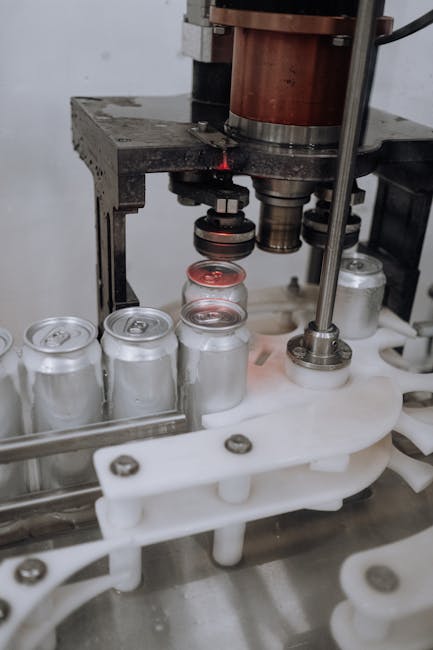 Conveyor Systems: The Backbone of Modern Industry
In today’s fast-paced industrial landscape, conveyor systems play a crucial role in ensuring the smooth and efficient movement of goods, materials, and products. From manufacturing facilities to warehouses, distribution centers, and logistics hubs, conveyor systems are the backbone of modern industry. In the United States, screw conveyor manufacturers have been at the forefront of designing and building these systems, providing innovative solutions to meet the demands of various industries.
A screw conveyor, also known as an auger conveyor, is a type of conveyor system that uses a rotating screw or shaft to move materials along a predetermined path. The screw conveyor is designed to handle a wide range of materials, including dry bulk solids, powders, and granules. The system consists of a screw shaft, a casing, and a drive unit, which work together to move the material along the conveyor belt.
Screw conveyor manufacturers in the USA have developed a range of screw conveyor designs to suit specific industry needs. For instance, in the food processing industry, screw conveyors are used to transport ingredients, such as grains, nuts, and spices, while in the pharmaceutical industry, they are used to handle sensitive materials, such as powders and granules. In the mining industry, screw conveyors are used to transport heavy materials, such as coal, iron ore, and limestone.
One of the key benefits of screw conveyors is their ability to handle materials that are difficult to convey using traditional belt conveyor systems. Screw conveyors are particularly effective in handling materials that are prone to bridging, such as powders and granules, as well as materials that are sensitive to moisture, such as pharmaceuticals. Additionally, screw conveyors are designed to operate in a variety of environments, including extreme temperatures, high humidity, and dusty conditions.
In the USA, screw conveyor manufacturers have developed a range of screw conveyor designs to suit specific industry needs. For instance, in the food processing industry, screw conveyors are used to transport ingredients, such as grains, nuts, and spices, while in the pharmaceutical industry, they are used to handle sensitive materials, such as powders and granules. In the mining industry, screw conveyors are used to transport heavy materials, such as coal, iron ore, and limestone.
Screw conveyor manufacturers in the USA have also developed a range of customization options to meet the specific needs of their clients. For instance, some manufacturers offer customized screw conveyor designs to handle specific materials, such as sticky or abrasive materials. Others offer customization options for the length, diameter, and pitch of the screw conveyor, as well as the type of drive unit and casing material.
In addition to their customization options, screw conveyor manufacturers in the USA have also developed a range of safety features to ensure the safe operation of their systems. For instance, some manufacturers offer emergency stop systems, which allow operators to quickly shut down the conveyor system in the event of an emergency. Others offer safety sensors, which detect potential hazards, such as blockages or material buildup, and alert operators to take corrective action.
In conclusion, screw conveyor manufacturers in the USA play a vital role in the design and construction of conveyor systems that meet the demands of various industries. With their range of customization options, safety features, and ability to handle difficult-to-convey materials, screw conveyor manufacturers are an essential part of modern industry. Whether you are in the food processing, pharmaceutical, mining, or manufacturing industries, screw conveyor manufacturers in the USA have the expertise and resources to provide you with a conveyor system that meets your specific needs.
What Research About Can Teach You
In the world of industrial manufacturing, conveyor systems play a crucial role in the efficient movement of goods and materials. Among the various types of conveyor systems available, auger conveyor systems have emerged as a popular choice due to their versatility and reliability. In recent years, the demand for stainless steel auger conveyor systems has increased significantly, driven by the need for durable and corrosion-resistant solutions in industries such as food processing, pharmaceuticals, and chemical manufacturing. In this article, we will explore the evolution of auger conveyor systems, the benefits of stainless steel construction, and the advantages of using stainless steel auger conveyor systems in various industries.
The History of Auger Conveyor Systems
Auger conveyor systems have been in use for over a century, with the first patent for an auger conveyor system dating back to 1884. Initially, these systems were used primarily in the agricultural sector for the transportation of grains and other bulk materials. Over the years, the design and construction of auger conveyor systems have evolved significantly, with the introduction of new materials, technologies, and manufacturing techniques. Today, auger conveyor systems are used in a wide range of industries, including food processing, pharmaceuticals, chemical manufacturing, and more.
The Benefits of Stainless Steel Construction
Stainless steel is a popular choice for the construction of auger conveyor systems due to its numerous benefits. One of the primary advantages of stainless steel is its corrosion resistance, which makes it an ideal material for use in industries where exposure to chemicals, acids, and other corrosive substances is a concern. Stainless steel is also highly durable and resistant to wear and tear, making it a reliable choice for heavy-duty applications. Additionally, stainless steel is easy to clean and maintain, which is essential in industries where hygiene and sanitation are critical.
The Advantages of Stainless Steel Auger Conveyor Systems
Stainless steel auger conveyor systems offer several advantages over traditional auger conveyor systems. One of the primary benefits is their ability to withstand harsh environments and corrosive substances, making them an ideal choice for use in industries such as food processing, pharmaceuticals, and chemical manufacturing. Stainless steel auger conveyor systems are also highly resistant to wear and tear, which reduces the need for maintenance and repairs. Additionally, stainless steel auger conveyor systems are easy to clean and maintain, which is essential in industries where hygiene and sanitation are critical.
Applications of Stainless Steel Auger Conveyor Systems
Stainless steel auger conveyor systems are used in a wide range of industries, including food processing, pharmaceuticals, chemical manufacturing, and more. In the food processing industry, stainless steel auger conveyor systems are used to transport raw materials, ingredients, and finished products. In the pharmaceutical industry, stainless steel auger conveyor systems are used to transport pharmaceuticals, vaccines, and other medical products. In the chemical manufacturing industry, stainless steel auger conveyor systems are used to transport chemicals, acids, and other corrosive substances.
Design and Construction of Stainless Steel Auger Conveyor Systems
The design and construction of stainless steel auger conveyor systems are critical to their performance and longevity. Stainless steel auger conveyor systems are typically designed with a focus on durability, corrosion resistance, and ease of maintenance. The auger itself is typically constructed from high-quality stainless steel, with a smooth surface finish to reduce the risk of contamination and corrosion. The conveyor system is also designed with a focus on ease of cleaning and maintenance, with features such as removable covers and easy-access components.
Installation and Maintenance of Stainless Steel Auger Conveyor Systems
The installation and maintenance of stainless steel auger conveyor systems are critical to their performance and longevity. Stainless steel auger conveyor systems are typically installed by trained professionals, with a focus on ensuring proper alignment, leveling, and tensioning of the conveyor system. Regular maintenance is also essential, with tasks such as cleaning, lubricating, and inspecting the conveyor system to ensure optimal performance and longevity.
Common Applications of Stainless Steel Auger Conveyor Systems
Stainless steel auger conveyor systems are used in a wide range of applications, including:
1. Food processing: Stainless steel auger conveyor systems are used to transport raw materials, ingredients, and finished products in the food processing industry.
2. Pharmaceuticals: Stainless steel auger conveyor systems are used to transport pharmaceuticals, vaccines, and other medical products in the pharmaceutical industry.
3. Chemical manufacturing: Stainless steel auger conveyor systems are used to transport chemicals, acids, and other corrosive substances in the chemical manufacturing industry.
4. Mining: Stainless steel auger conveyor systems are used to transport minerals and other bulk materials in the mining industry.
5. Construction: Stainless steel auger conveyor systems are used to transport building materials, such as concrete and aggregate, in the construction industry.
Conclusion
In conclusion, stainless steel auger conveyor systems are a popular choice for industries that require durable, corrosion-resistant, and easy-to-maintain conveyor systems. With their numerous benefits, including corrosion resistance, durability, and ease of maintenance, stainless steel auger conveyor systems are an ideal solution for a wide range of applications. Whether you are in the food processing, pharmaceutical, chemical manufacturing, mining, or construction industry, stainless steel auger conveyor systems are a reliable and efficient choice for your conveyor needs.
Finding Similarities Between and Life

As a drummer, you know that having the right equipment is essential to producing high-quality sound and maintaining your musical integrity. One of the most crucial components of your drum setup is the drum enclosure, also known as a drum shell or drum body. A good drum enclosure can make all the difference in your sound, providing the perfect blend of tone, resonance, and durability. In this article, we’ll explore the world of drum enclosures for sale, helping you make an informed decision when choosing the perfect one for your needs.
When it comes to drum enclosures, there are several factors to consider. First and foremost, you need to think about the type of music you play. Are you a jazz drummer looking for a bright, crisp sound, or a rock drummer seeking a heavy, aggressive tone? Different genres require different types of drum enclosures, and understanding your musical style is key to making the right choice.
Another important consideration is the size of the drum enclosure. Drums come in a range of sizes, from the smallest 10-inch snare to the largest 24-inch bass drum. When choosing a drum enclosure, you need to consider the size of your drums and the type of sound you’re looking to produce. For example, a smaller drum enclosure may be better suited for jazz or fusion music, while a larger enclosure may be more suitable for rock or metal.
Material is also a crucial factor to consider when choosing a drum enclosure. Drums can be made from a variety of materials, including wood, metal, and fiberglass. Each material has its own unique characteristics, and the right choice will depend on your personal preference and the type of music you play. For example, wood drums tend to produce a warm, rich sound, while metal drums can produce a bright, aggressive tone.
In addition to material, you also need to consider the construction of the drum enclosure. A well-built drum enclosure will provide a solid, durable foundation for your drums, while a poorly constructed enclosure may lead to a lack of resonance and a poor sound. Look for enclosures with sturdy shells, secure lugs, and a reliable hardware system.
When shopping for a drum enclosure, you’ll also need to consider the finish. Drums can be finished in a range of colors and styles, from classic black or white to bold, bright colors. The finish you choose will depend on your personal preference and the style of music you play. For example, a bright, bold finish may be more suitable for rock or pop music, while a more subdued finish may be better suited for jazz or classical.
In addition to the drum enclosure itself, you’ll also need to consider the hardware and accessories that come with it. A good drum enclosure should come with sturdy lugs, a reliable pedal system, and a high-quality drumhead. Look for enclosures that include these features, as they will provide a solid foundation for your drums and help you produce the best possible sound.
When choosing a drum enclosure, it’s also important to consider the price. Drums can range in price from a few hundred to several thousand dollars, depending on the material, construction, and features. Set a budget and stick to it, and don’t be afraid to shop around to find the best deal.
In conclusion, choosing the perfect drum enclosure for sale requires careful consideration of several factors, including the type of music you play, the size of your drums, the material and construction of the enclosure, the finish, and the price. By taking the time to research and compare different options, you can find the perfect drum enclosure for your needs and take your drumming to the next level. Whether you’re a seasoned pro or just starting out, a good drum enclosure is an essential part of any drum setup, and with the right choice, you’ll be well on your way to producing the best possible sound.
Where To Start with and More

The food processing industry has undergone significant transformations over the years, driven by advances in technology, changing consumer preferences, and the need for increased efficiency and productivity. One of the key innovations that has contributed to this evolution is the stainless steel auger conveyor. In this article, we will explore the history of food processing, the role of stainless steel auger conveyors, and how they have revolutionized the industry.
The Early Days of Food Processing
Food processing has been a vital part of human civilization for thousands of years. From ancient civilizations that preserved food through smoking, salting, and fermenting to modern-day factories that produce a wide range of processed foods, the industry has come a long way. In the early days, food processing was a labor-intensive and time-consuming process that relied heavily on manual labor and simple machinery.
The Industrial Revolution and the Rise of Mechanization
The Industrial Revolution marked a significant turning point in the history of food processing. With the introduction of mechanized equipment and factories, food processing became faster, more efficient, and more productive. The development of conveyor belts, in particular, revolutionized the industry by allowing for the mass production of food products.
The Advent of Stainless Steel Auger Conveyors
In the mid-20th century, the introduction of stainless steel auger conveyors further transformed the food processing industry. These conveyors, which use a rotating spiral or auger to move food products through a pipeline, offered several advantages over traditional conveyor belts. They were more efficient, easier to clean, and less prone to contamination.
The Benefits of Stainless Steel Auger Conveyors
So, what makes stainless steel auger conveyors so beneficial to the food processing industry? For starters, they offer increased efficiency and productivity. By allowing food products to be moved quickly and smoothly through a pipeline, stainless steel auger conveyors reduce the risk of damage and contamination. They also make it easier to clean and maintain the processing line, which is critical in the food industry where cleanliness and sanitation are paramount.
Another significant advantage of stainless steel auger conveyors is their ability to handle a wide range of food products. From delicate fruits and vegetables to heavy meats and grains, these conveyors can handle it all. They are also versatile, allowing food processors to customize the conveyor system to meet their specific needs.
The Importance of Cleanliness and Sanitation
Cleanliness and sanitation are critical components of the food processing industry. Stainless steel auger conveyors are designed with these principles in mind. The smooth, rounded surfaces of the conveyor and the auger are easy to clean and sanitize, reducing the risk of contamination and ensuring that food products are safe for consumption.
The Future of Food Processing
As the food processing industry continues to evolve, it is likely that stainless steel auger conveyors will play an increasingly important role. With the growing demand for fresh, healthy, and sustainable food products, food processors will need to find ways to increase efficiency and productivity while maintaining the highest levels of cleanliness and sanitation.
In conclusion, the stainless steel auger conveyor has revolutionized the food processing industry by offering increased efficiency, productivity, and cleanliness. As the industry continues to evolve, it is likely that these conveyors will play an increasingly important role in the production of food products. Whether you are a food processor, a manufacturer, or a consumer, it is essential to understand the importance of stainless steel auger conveyors and how they contribute to the production of safe and healthy food products.
Learning The Secrets About
 Sectional Flights: A Comprehensive Guide to Understanding the Concept and Its Benefits
When it comes to air travel, many of us are familiar with the concept of sectional flights. However, for those who are new to the world of aviation, sectional flights can be a bit confusing. In this article, we will delve into the world of sectional flights, exploring what they are, how they work, and the benefits they offer to passengers.
What are Sectional Flights?
————————
Sectional flights refer to a type of flight that is divided into smaller sections or segments. These sections are typically separated by layovers or connections, where passengers can disembark and reboard the same aircraft or transfer to a new one. Sectional flights are often used by airlines to increase efficiency, reduce costs, and provide more flexible travel options to passengers.
How Do Sectional Flights Work?
—————————–
Sectional flights work by dividing a long-haul flight into smaller segments. For example, a flight from New York to Los Angeles might be broken down into three sections: New York to Chicago, Chicago to Denver, and Denver to Los Angeles. Each section is typically around 2-3 hours long, and passengers can disembark and reboard the aircraft at each layover.
The benefits of sectional flights are numerous. For one, they allow airlines to reduce fuel consumption and operating costs by minimizing the amount of time the aircraft is in the air. Additionally, sectional flights provide passengers with more flexibility and options for their travel plans. With sectional flights, passengers can choose to stay on the aircraft for the entire journey or disembark and reboard at a layover, depending on their individual needs and preferences.
Types of Sectional Flights
—————————
There are several types of sectional flights, each with its own unique characteristics and benefits. Some common types of sectional flights include:
1. Non-stop flights: These are the most common type of sectional flight, where the aircraft takes off and lands without any layovers or connections.
2. One-stop flights: These flights involve a single layover, where passengers disembark and reboard the same aircraft.
3. Multi-stop flights: These flights involve multiple layovers, where passengers disembark and reboard the aircraft multiple times.
4. Open-jaw flights: These flights involve a layover at a destination other than the original departure point.
Benefits of Sectional Flights
—————————–
Sectional flights offer a range of benefits to passengers, including:
1. Increased flexibility: With sectional flights, passengers can choose to stay on the aircraft for the entire journey or disembark and reboard at a layover, depending on their individual needs and preferences.
2. Reduced travel time: By minimizing the amount of time the aircraft is in the air, sectional flights can reduce travel time and increase efficiency.
3. Cost savings: Sectional flights can reduce fuel consumption and operating costs for airlines, which can be passed on to passengers in the form of lower fares.
4. Improved passenger experience: Sectional flights can provide passengers with more opportunities to stretch their legs, grab a snack or meal, and enjoy the in-flight entertainment.
Challenges of Sectional Flights
——————————-
While sectional flights offer many benefits, they also present some challenges. Some of the challenges associated with sectional flights include:
1. Increased complexity: Sectional flights can be more complex to plan and execute than non-stop flights, requiring more coordination and communication between airlines and airports.
2. Higher costs: While sectional flights can reduce fuel consumption and operating costs, they can also increase costs associated with layovers, such as hotel accommodations and meal expenses.
3. Passenger inconvenience: Sectional flights can cause inconvenience to passengers, particularly if they involve multiple layovers or long wait times between flights.
Conclusion
———-
In conclusion, sectional flights are a type of flight that is divided into smaller sections or segments. They offer a range of benefits to passengers, including increased flexibility, reduced travel time, cost savings, and an improved passenger experience. While sectional flights present some challenges, they are an important part of the airline industry and can provide passengers with more options and flexibility for their travel plans.
The 5 Rules of And How Learn More
Enhancing Your Drum Sound: The Benefits of a Drum Sound Shield
Creating the perfect drum sound in any setting can be a daunting task. The balance between an impactful performance and maintaining sound control is crucial, especially in studio or live environments. A drum sound shield can be the key to achieving the right sound without overwhelming the space or conflicting with other instruments.
What Is a Drum Sound Shield?
A drum sound shield is a transparent barrier designed to separate the drum kit from the rest of the environment. Typically made of acrylic or glass, these shields help isolate the drum sounds while minimizing the leakage of noise and vibrations. Musicians use sound shields in studios, live performances, or even at home, creating a controlled acoustic environment that enhances sound clarity.
The Functionality of a Drum Sound Shield
The primary function of a drum sound shield is to absorb and diffuse the sound generated by the drums. When drummers play, the impact of the sticks creates vibrations that travel through the air. Without a sound shield, these vibrations can cause unwanted noise in the recording or performance space, leading to a muddy sound mix.
By utilizing a drum sound shield, you can significantly reduce the sound levels that escape into the surrounding area. This isolation allows other musicians or vocalists to perform without interference from the drum kit. Additionally, sound shields can greatly benefit recording sessions. Drummers benefit from a cleaner sound capture, which results in a more polished final product.
Benefits of Using a Drum Sound Shield
Using a drum sound shield contributes to a better overall sound experience. The most significant advantage includes improved sound isolation. You can maintain the full dynamics of your performance while preventing overwhelming volume levels.
Another benefit lies in the enhanced monitoring experience. When drummers use a sound shield, they can hear themselves more clearly while playing. This improved sound balance enables better timing and allows for more precise performances, especially when playing with other musicians.
Drum sound shields also provide a versatile setup option. They come in various sizes and designs, allowing you to customize the shield to your specific needs. Whether you play in a small studio or a large venue, having a sound shield adapts to different environments and situations seamlessly.
Choosing the Right Drum Sound Shield
Selecting the right drum sound shield can make a significant difference in your sound quality. Consider the size of your drum kit and the space available when choosing a shield. Ensure that the shield is tall enough to cover the entire height of the drums, preventing sound from escaping above.
Transparency is another factor to keep in mind. Opt for a shield made from high-quality acrylic or glass, ensuring it provides optimal sound clarity. The thickness of the material can also affect sound absorption, so choose a shield that strikes a good balance between durability and sound control.
Conclusion: Elevate Your Drumming Experience
Incorporating a drum sound shield into your setup enhances your performance while allowing for greater control over sound levels. Whether recording in a studio or performing live, a sound shield provides the isolation necessary to create a professional sound. By investing in a quality drum sound shield, you can elevate your drumming experience and improve your overall sound quality.