The Art of Mastering

As a business owner or facility manager in Columbus, Ohio, you understand the importance of maintaining a safe and functional industrial roof. A well-maintained roof is not only essential for protecting your employees and equipment from the elements, but it also plays a crucial role in preserving the integrity of your building and reducing costly repairs down the line. However, industrial roofs are prone to damage from weathering, wear and tear, and other factors, which can lead to leaks, cracks, and other issues that require prompt attention.
In this article, we will explore the importance of industrial roof repair in Columbus OH, the common signs of roof damage, and the steps you can take to extend the lifespan of your commercial roof.
Common Signs of Roof Damage
Before we dive into the importance of industrial roof repair, it’s essential to understand the common signs of roof damage. As a facility manager or business owner, you should be aware of the following signs that indicate your roof may be in need of repair:
1. Leaks: One of the most obvious signs of roof damage is a leak. If you notice water dripping from the ceiling or pooling on the floor, it’s likely that your roof has developed a crack or hole that needs to be addressed.
2. Cracks: Cracks in the roof can be a sign of wear and tear, or they may be caused by structural issues or settling of the building. Regardless of the cause, cracks can lead to leaks and other problems if left unaddressed.
3. Missing or Damaged Shingles: Missing or damaged shingles can expose the underlying roof deck to the elements, leading to further damage and potentially costly repairs.
4. Curling or Buckling Shingles: Curling or buckling shingles can be a sign of aging or wear and tear. If left unaddressed, these issues can lead to further damage and potentially compromise the integrity of the roof.
5. Granule Loss: Granules are the small, textured particles that cover the surface of asphalt shingles. If you notice a significant loss of granules, it may be a sign that your roof is nearing the end of its lifespan.
The Importance of Industrial Roof Repair
Industrial roof repair is essential for extending the lifespan of your commercial roof and preventing costly repairs down the line. Here are some reasons why industrial roof repair is so important:
1. Prevents Leaks: Leaks can cause significant damage to your building and its contents, including equipment, inventory, and even employee health. By addressing leaks promptly, you can prevent further damage and ensure a safe and healthy work environment.
2. Extends Lifespan: Regular roof maintenance and repair can extend the lifespan of your commercial roof by 10 to 20 years or more. This can save you thousands of dollars in replacement costs and reduce the need for frequent repairs.
3. Reduces Energy Costs: A well-maintained roof can help reduce energy costs by ensuring that your building is properly insulated and sealed. This can lead to significant savings on your energy bills and reduce your carbon footprint.
4. Enhances Safety: A damaged or neglected roof can pose a significant safety risk to your employees and customers. By addressing roof damage promptly, you can ensure a safe and secure work environment.
5. Increases Property Value: A well-maintained roof can increase the value of your property, making it more attractive to potential buyers or renters.
Steps to Extend the Lifespan of Your Commercial Roof
So, how can you extend the lifespan of your commercial roof and prevent costly repairs down the line? Here are some steps you can take:
1. Regular Inspections: Regular inspections are essential for identifying roof damage and addressing it promptly. You should inspect your roof at least twice a year, or more frequently if you live in an area prone to extreme weather conditions.
2. Cleanliness: Keeping your roof clean is essential for preventing damage and extending its lifespan. Remove debris, leaves, and other obstructions that can cause damage or clog drains.
3. Maintenance: Regular maintenance is essential for extending the lifespan of your commercial roof. This includes tasks such as cleaning gutters, repairing leaks, and replacing damaged shingles.
4. Repair: If you notice damage to your roof, it’s essential to address it promptly. Repairing small issues can prevent them from becoming major problems down the line.
5. Replacement: If your roof is nearing the end of its lifespan, it may be time to consider replacement. A new roof can provide peace of mind and protect your building and its contents for years to come.
Conclusion
Industrial roof repair in Columbus OH is essential for extending the lifespan of your commercial roof and preventing costly repairs down the line. By understanding the common signs of roof damage, the importance of industrial roof repair, and the steps you can take to extend the lifespan of your commercial roof, you can ensure a safe and functional work environment for years to come. Remember to inspect your roof regularly, keep it clean, perform regular maintenance, repair damage promptly, and consider replacement when necessary. By following these steps, you can extend the lifespan of your commercial roof and protect your building and its contents for years to come.
Discovering The Truth About
 The Art of Bridge Building: A Civil Engineer’s Perspective
As a civil engineer, designing and building bridges is a crucial part of the job. Bridges are an essential part of our infrastructure, connecting communities, facilitating trade, and providing safe passage for people and goods. However, building a bridge is not just about constructing a physical structure; it’s about understanding the complex interactions between the bridge, the environment, and the people who use it.
When designing a bridge, civil engineers must consider a multitude of factors, including the terrain, the type of traffic it will carry, the weather conditions, and the environmental impact. They must also ensure that the bridge is safe, durable, and aesthetically pleasing. This requires a deep understanding of the underlying principles of physics, mathematics, and materials science.
One of the most critical aspects of bridge building is the selection of the right materials. Civil engineers must choose materials that can withstand the stresses and strains of daily use, as well as extreme weather conditions such as earthquakes, hurricanes, and floods. This often involves balancing the need for strength and durability with the need for lightness and cost-effectiveness.
In recent years, advances in materials science have led to the development of new and innovative materials that can be used in bridge construction. For example, composite materials such as carbon fiber and Kevlar have been used to create lightweight and high-strength bridges that can withstand extreme weather conditions. Similarly, advanced concrete materials such as high-performance concrete and fiber-reinforced polymer have been used to create durable and sustainable bridges.
In addition to the selection of materials, civil engineers must also consider the design of the bridge itself. This involves creating a structure that is both functional and aesthetically pleasing. This can be achieved through the use of innovative design techniques such as curved or arched shapes, which can help to reduce the visual impact of the bridge while also improving its structural integrity.
Another critical aspect of bridge building is the construction process itself. Civil engineers must ensure that the bridge is built to exacting standards, with precise attention to detail and a focus on quality control. This often involves working closely with contractors and other stakeholders to ensure that the bridge is built on time and within budget.
In recent years, advances in construction technology have led to the development of new and innovative construction techniques. For example, the use of prefabricated components and modular construction has allowed for faster and more efficient construction of bridges. Similarly, the use of advanced materials and technologies such as 3D printing and robotic construction has enabled the creation of complex and intricate bridge structures.
As a civil engineer, building a bridge is not just about constructing a physical structure; it’s also about understanding the social and environmental impacts of the bridge. This involves considering the needs and concerns of local communities, as well as the potential environmental impacts of the bridge. For example, civil engineers may need to consider the impact of the bridge on local wildlife habitats, or the potential for the bridge to disrupt local traffic patterns.
In conclusion, building a bridge is a complex and challenging process that requires a deep understanding of the underlying principles of physics, mathematics, and materials science. Civil engineers must consider a multitude of factors, including the selection of materials, the design of the bridge, the construction process, and the social and environmental impacts of the bridge. By combining innovative design techniques, advanced materials, and cutting-edge construction technologies, civil engineers can create bridges that are both functional and aesthetically pleasing, while also minimizing their environmental impact.
Lessons Learned from Years with
The Island Jewel: Uncovering the Secrets of Cash for Jewelry Guam
Guam, a small island in the Pacific Ocean, is known for its stunning beaches, crystal-clear waters, and rich cultural heritage. However, what many people may not know is that Guam is also a hub for cash for jewelry transactions. In this article, we will delve into the world of cash for jewelry Guam and explore the ins and outs of this lucrative industry.
1. What is Cash for Jewelry?
Before we dive into the specifics of cash for jewelry Guam, it’s essential to understand what cash for jewelry is. Cash for jewelry is a process where individuals sell their unwanted or unused jewelry to a third-party buyer for a lump sum of cash. This can include gold, silver, platinum, and other precious metals, as well as diamonds, gemstones, and other precious stones.
2. The History of Cash for Jewelry Guam
The concept of cash for jewelry has been around for centuries, with evidence of jewelry trading dating back to ancient civilizations. However, the modern cash for jewelry industry as we know it today began to take shape in the mid-20th century. In Guam, the cash for jewelry industry started to gain momentum in the 1980s, with the first cash for jewelry stores opening their doors to the public.
3. How Does Cash for Jewelry Work?
The process of cash for jewelry is relatively straightforward. Individuals bring their unwanted jewelry to a cash for jewelry store, where it is appraised by a trained professional. The appraiser will assess the jewelry’s value based on its weight, purity, and condition, as well as its rarity and demand. Once the value is determined, the individual is offered a lump sum of cash for the jewelry.
4. What Types of Jewelry Can Be Sold for Cash?
While cash for jewelry stores typically accept a wide range of jewelry items, there are certain types of jewelry that are more valuable than others. For example, gold and platinum jewelry, particularly items with high karat weights, are highly sought after. Diamonds and other precious stones, such as rubies and sapphires, are also highly valuable. Additionally, antique and vintage jewelry can be highly prized for its rarity and historical significance.
5. The Benefits of Selling Jewelry for Cash
There are several benefits to selling jewelry for cash. For one, it can be a quick and easy way to get rid of unwanted or unused jewelry. Additionally, selling jewelry for cash can provide a lump sum of money that can be used for a variety of purposes, such as paying off debt, financing a major purchase, or simply building up one’s savings.
6. The Drawbacks of Selling Jewelry for Cash
While selling jewelry for cash can be a convenient and lucrative option, there are also some drawbacks to consider. For one, the value of the jewelry may be lower than expected, which can be disappointing for individuals who are looking to get a good price for their items. Additionally, some cash for jewelry stores may have hidden fees or charges that can eat into the value of the jewelry.
7. How to Choose the Right Cash for Jewelry Store
When choosing a cash for jewelry store, it’s essential to do your research and find a reputable and trustworthy establishment. Look for stores that have a good reputation in the community, and that have a clear and transparent pricing policy. Additionally, make sure to read reviews and ask for references before making a decision.
8. The Future of Cash for Jewelry Guam
As the cash for jewelry industry continues to evolve, it’s likely that we will see more innovative and convenient ways to buy and sell jewelry. With the rise of online marketplaces and mobile apps, it’s possible that we will see more cash for jewelry transactions taking place online. Additionally, advances in technology may make it easier for individuals to appraise and value their jewelry, making the process of selling jewelry for cash more efficient and streamlined.
9. Conclusion
In conclusion, cash for jewelry Guam is a thriving industry that offers individuals a convenient and lucrative way to buy and sell jewelry. Whether you’re looking to get rid of unwanted jewelry or make a profit from your valuable items, cash for jewelry stores can provide a quick and easy solution. By understanding the ins and outs of the cash for jewelry industry, you can make informed decisions and get the most value for your jewelry.
Case Study: My Experience With
 The Evolution of Material Handling: Understanding the Benefits of DuraLift Hoists in Iowa
Material handling is a crucial aspect of various industries, including manufacturing, construction, and logistics. The efficient movement of goods and materials can significantly impact productivity, safety, and overall profitability. In Iowa, where agriculture and manufacturing are significant contributors to the economy, the need for effective material handling solutions is more pressing than ever. One such solution is the DuraLift hoist, a versatile and reliable lifting device that has revolutionized the way materials are handled.
What is a DuraLift Hoist?
A DuraLift hoist is a type of overhead crane or hoist that is designed to lift and move heavy loads with ease. These hoists are typically used in industrial settings, such as factories, warehouses, and construction sites, where heavy materials need to be lifted and moved to various locations. The DuraLift hoist is a popular choice among material handlers due to its durability, reliability, and ease of use.
Benefits of DuraLift Hoists
So, what makes DuraLift hoists so beneficial? For starters, these hoists are designed to be highly durable and can withstand the rigors of heavy use. They are built with high-quality materials and are constructed to last, reducing the need for frequent maintenance and repairs. Additionally, DuraLift hoists are designed to be easy to use, with intuitive controls and a user-friendly interface that makes it simple to operate.
Another significant benefit of DuraLift hoists is their ability to lift heavy loads with ease. These hoists are designed to handle loads of up to 50 tons or more, making them ideal for heavy-duty applications. This means that you can lift and move heavy materials with confidence, without worrying about the hoist becoming overloaded or breaking down.
Safety Features of DuraLift Hoists
Safety is a top priority when it comes to material handling, and DuraLift hoists are designed with safety in mind. These hoists are equipped with a range of safety features, including overload protection, emergency stop systems, and anti-collision sensors. These features help to prevent accidents and ensure that the hoist operates safely and efficiently.
In addition to these safety features, DuraLift hoists are also designed to be easy to maintain and repair. This means that you can quickly and easily identify and address any issues that may arise, reducing downtime and ensuring that your material handling operations run smoothly.
Types of DuraLift Hoists
DuraLift hoists come in a range of styles and configurations to suit different material handling applications. Some common types of DuraLift hoists include:
1. Overhead Cranes: These hoists are designed to lift and move heavy loads overhead, making them ideal for applications such as manufacturing and construction.
2. Jib Cranes: These hoists are designed to lift and move heavy loads in a specific direction, making them ideal for applications such as warehousing and logistics.
3. Gantry Cranes: These hoists are designed to lift and move heavy loads along a track or rail, making them ideal for applications such as manufacturing and construction.
Choosing the Right DuraLift Hoist for Your Needs
When choosing a DuraLift hoist, there are several factors to consider. First and foremost, you need to consider the type of material handling application you have. Different types of hoists are designed for different applications, so it’s essential to choose the right one for your needs.
You also need to consider the size and weight of the loads you need to lift and move. Different hoists are designed to handle different load capacities, so it’s essential to choose a hoist that can handle the loads you need to move.
Finally, you need to consider the safety features and maintenance requirements of the hoist. As mentioned earlier, safety is a top priority when it comes to material handling, and DuraLift hoists are designed with safety in mind. However, it’s still essential to choose a hoist that meets your specific safety and maintenance requirements.
Conclusion
In conclusion, DuraLift hoists are a versatile and reliable lifting device that has revolutionized the way materials are handled. With their durability, reliability, and ease of use, these hoists are ideal for a range of material handling applications. Whether you’re in the manufacturing, construction, or logistics industry, a DuraLift hoist can help you to lift and move heavy loads with ease and confidence. By choosing the right DuraLift hoist for your needs, you can ensure that your material handling operations run smoothly and efficiently, while also prioritizing safety and reducing downtime.
Practical and Helpful Tips:

As the weather warms up and summer approaches, many of us are eager to get our outdoor spaces ready for fun and relaxation. One popular way to do this is by installing a trampoline in your backyard. Trampolines are a great way to get exercise, have fun with family and friends, and create lifelong memories. However, before you can start bouncing, you’ll need to assemble your trampoline. In this article, we’ll take a closer look at the process of assembling a trampoline, as well as some tips for maintaining your new outdoor toy.
Before You Begin: Understanding Trampoline Assembly
Assembling a trampoline can be a daunting task, especially if you’re not familiar with DIY projects or have limited experience with hardware and tools. However, with the right guidance and preparation, you can successfully assemble your trampoline and enjoy it for years to come. The first step in assembling a trampoline is to read the manufacturer’s instructions carefully. These instructions will provide you with a detailed guide on how to assemble your specific trampoline model.
Gather Your Tools and Materials
Before you start assembling your trampoline, make sure you have all the necessary tools and materials. This may include a wrench, screwdriver, and Allen wrench, as well as any other specific tools required by your trampoline’s manufacturer. You’ll also need to gather any necessary hardware, such as bolts, nuts, and washers. Make sure you have a clear and flat surface to work on, and that you have enough space to lay out all the components.
Step-by-Step Assembly Guide
Assembling a trampoline typically involves several steps, including setting up the frame, attaching the springs, and installing the mat. Here’s a general overview of the assembly process:
1. Set up the frame: Begin by setting up the trampoline’s frame, which typically consists of a series of metal poles and connectors. Make sure the frame is level and secure, and that all the connections are tightened properly.
2. Attach the springs: Next, attach the springs to the frame, making sure they are securely fastened and evenly spaced. This is an important step, as it will affect the trampoline’s bounce and overall performance.
3. Install the mat: Once the springs are attached, it’s time to install the trampoline mat. This typically involves attaching the mat to the springs using a series of clips or hooks. Make sure the mat is securely fastened and evenly spaced, and that there are no loose ends or wrinkles.
4. Add the padding: Finally, add the padding to the trampoline, which typically includes a layer of foam or fabric around the edges and a safety enclosure. Make sure the padding is securely attached and evenly spaced, and that there are no gaps or openings.
Tips for Maintaining Your Trampoline
Once your trampoline is assembled, it’s important to maintain it regularly to ensure it remains safe and functional. Here are some tips for maintaining your trampoline:
1. Inspect the trampoline regularly: Regular inspections can help you identify any potential problems or issues before they become major problems. Look for signs of wear and tear, such as loose connections, damaged springs, or worn-out padding.
2. Clean the trampoline regularly: Cleaning your trampoline regularly can help remove dirt, debris, and bacteria that can accumulate on the surface. Use a mild detergent and water to clean the trampoline, and avoid using harsh chemicals or abrasive cleaners.
3. Lubricate the springs: Lubricating the springs can help reduce friction and wear, and prevent them from becoming damaged or rusted. Use a silicone-based lubricant and apply it to the springs according to the manufacturer’s instructions.
4. Check the safety enclosure: The safety enclosure is an important feature of your trampoline, as it helps prevent accidents and injuries. Make sure the enclosure is securely attached and evenly spaced, and that there are no gaps or openings.
Conclusion
Assembling and maintaining a trampoline can be a fun and rewarding experience, especially when you have the right guidance and preparation. By following the steps outlined in this article, you can successfully assemble your trampoline and enjoy it for years to come. Remember to inspect and maintain your trampoline regularly, and to always follow the manufacturer’s instructions for assembly and use. With proper care and maintenance, your trampoline can provide hours of fun and entertainment for you and your family.
Getting Creative With Advice
The Importance of Shorestation Lifts in Iowa’s Waterways
Iowa’s waterways are a vital part of the state’s infrastructure, providing a means of transportation, recreation, and economic growth. With over 70,000 miles of rivers, streams, and lakes, Iowa’s waterways are a lifeline for many communities. However, with the increasing demands on these waterways, the need for efficient and reliable lifting solutions has become more pressing than ever. Shorestation lifts are an essential component of this infrastructure, providing a safe and efficient way to load and unload cargo, passengers, and equipment. In this article, we will explore the importance of shorestation lifts in Iowa’s waterways and the benefits they provide.
What are Shorestation Lifts?
Shorestation lifts are specialized lifting systems designed to operate in water environments. They are typically used in ports, marinas, and other water-based facilities to lift and move cargo, passengers, and equipment. Shorestation lifts are designed to withstand the harsh marine environment and provide a safe and efficient way to transfer goods and people. They are available in a range of sizes and configurations, from small, portable units to large, fixed installations.
Benefits of Shorestation Lifts
Shorestation lifts provide a range of benefits to Iowa’s waterways, including:
1. Increased Efficiency: Shorestation lifts can significantly reduce the time it takes to load and unload cargo, passengers, and equipment. This increased efficiency can lead to cost savings and improved productivity.
2. Improved Safety: Shorestation lifts provide a safe and controlled environment for lifting and moving heavy loads. This reduces the risk of accidents and injuries, making them an essential component of any water-based facility.
3. Reduced Maintenance: Shorestation lifts are designed to withstand the harsh marine environment and require minimal maintenance. This reduces the need for costly repairs and downtime, ensuring that your facility remains operational.
4. Versatility: Shorestation lifts can be used for a wide range of applications, from lifting small boats to large cargo vessels. They can also be used for passenger transportation, such as ferry services.
5. Environmental Benefits: Shorestation lifts can help reduce the environmental impact of water-based activities. By reducing the need for manual labor and minimizing the risk of accidents, shorestation lifts can help reduce the risk of pollution and environmental damage.
Types of Shorestation Lifts
There are several types of shorestation lifts available, including:
1. Cantilever Lifts: These lifts use a cantilevered arm to lift and move cargo, passengers, and equipment. They are ideal for small to medium-sized facilities and provide a high level of flexibility.
2. Gantry Lifts: These lifts use a gantry system to lift and move cargo, passengers, and equipment. They are ideal for larger facilities and provide a high level of lifting capacity.
3. Jib Lifts: These lifts use a jib system to lift and move cargo, passengers, and equipment. They are ideal for small to medium-sized facilities and provide a high level of flexibility.
4. Boom Lifts: These lifts use a boom system to lift and move cargo, passengers, and equipment. They are ideal for larger facilities and provide a high level of lifting capacity.
5. Hydraulic Lifts: These lifts use hydraulic systems to lift and move cargo, passengers, and equipment. They are ideal for facilities that require a high level of lifting capacity and precision.
Installation and Maintenance
Shorestation lifts require careful installation and maintenance to ensure they operate safely and efficiently. Here are some tips for installing and maintaining your shorestation lift:
1. Choose a reputable supplier: When selecting a shorestation lift, choose a reputable supplier that provides high-quality equipment and expert installation and maintenance services.
2. Follow installation guidelines: Follow the manufacturer’s guidelines for installation to ensure your shorestation lift is installed correctly and safely.
3. Regular maintenance: Regular maintenance is essential to ensure your shorestation lift operates safely and efficiently. This includes regular inspections, lubrication, and replacement of worn parts.
4. Training: Provide training to your operators on the safe and proper use of your shorestation lift.
Conclusion
Shorestation lifts are an essential component of Iowa’s waterways, providing a safe and efficient way to load and unload cargo, passengers, and equipment. With their increased efficiency, improved safety, reduced maintenance, versatility, and environmental benefits, shorestation lifts are an investment worth considering for any water-based facility. By choosing the right type of shorestation lift, installing it correctly, and maintaining it regularly, you can ensure your facility operates safely and efficiently, providing a competitive edge in the market.
A Brief Rundown of
As a homeowner in Atlanta, you’re likely no stranger to the humid and humid climate that can make your home a breeding ground for mold. Mold can grow almost anywhere, from the walls and ceilings to the floors and even the air itself. But did you know that mold can cause serious health problems, damage your home’s structure, and even decrease its value? In this article, we’ll explore the dangers of mold in Atlanta homes and provide a comprehensive guide to mold remediation.
What is Mold?
Mold is a type of fungus that thrives in damp environments. It’s everywhere, from the soil to the air, and can grow on almost any surface. Mold comes in many different species, some of which are harmless, while others can be toxic. When mold grows indoors, it can release spores into the air, which can exacerbate respiratory problems like asthma and allergies.
The Dangers of Mold
Mold can cause a range of health problems, from mild discomfort to serious illness. Some of the most common symptoms of mold exposure include:
* Respiratory problems, such as coughing, sneezing, and congestion
* Skin irritation and rashes
* Eye irritation and redness
* Headaches and fatigue
* Nasal congestion and sinus pressure
In severe cases, mold exposure can even trigger more serious health issues, such as:
* Chronic respiratory problems, like bronchitis and pneumonia
* Neurological problems, like memory loss and mood disorders
* Immune system suppression
Mold can also cause significant damage to your home’s structure and contents. It can:
* Rot wood and damage drywall
* Corrode metal and cause electrical issues
* Stain and discolor surfaces
* Spread to other areas of the home, causing widespread damage
The Importance of Mold Remediation
Mold remediation is the process of removing mold from your home and preventing its return. It’s a critical step in maintaining a healthy and safe living environment. When mold is left unchecked, it can spread quickly and cause serious health problems.
The Mold Remediation Process
The mold remediation process typically involves the following steps:
1. Assessment: A trained professional will assess the extent of the mold growth and identify the source of the moisture.
2. Containment: The area affected by mold will be contained to prevent the spread of spores to other areas of the home.
3. Removal: The mold will be removed using specialized equipment and techniques.
4. Cleaning: The area will be thoroughly cleaned and disinfected to prevent the return of mold.
5. Drying: The area will be dried to prevent further moisture buildup.
6. Monitoring: The area will be monitored for signs of mold growth to ensure that the remediation was successful.
Tips for Preventing Mold Growth
While mold remediation is a critical step in maintaining a healthy home, prevention is always better than cure. Here are some tips for preventing mold growth:
* Fix leaks and water damage promptly
* Improve ventilation and air circulation
* Reduce humidity levels
* Use a dehumidifier in humid areas
* Clean and disinfect surfaces regularly
* Remove clutter and stored items to improve airflow
Conclusion
Mold can be a serious problem in Atlanta homes, causing health problems, damage to your home’s structure, and even decreasing its value. But with the right knowledge and techniques, you can prevent mold growth and ensure a healthy and safe living environment. By understanding the dangers of mold, the importance of mold remediation, and the steps involved in the remediation process, you can take control of your home’s mold situation and keep your family safe and healthy. Remember, prevention is key, so take the necessary steps to prevent mold growth and ensure a happy and healthy home.
If You Think You Get , Then This Might Change Your Mind
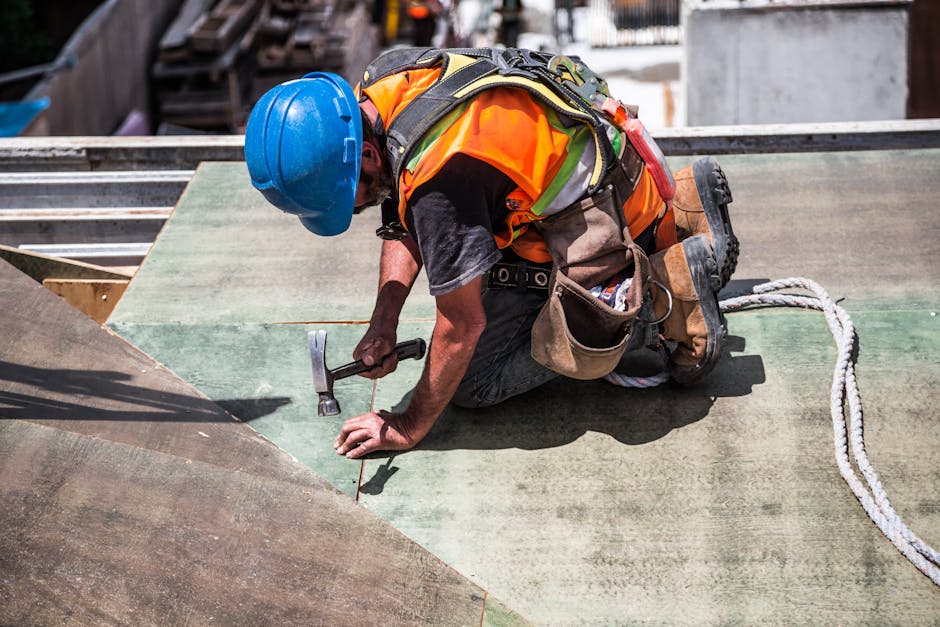 The Importance of Commercial Roof Repair in Richmond, IN: A Guide to Extending the Life of Your Building
As a commercial property owner in Richmond, IN, you understand the importance of maintaining a safe and secure building. One of the most critical components of your property is the roof, which provides protection from the elements and helps to regulate the internal temperature. However, commercial roofs are prone to damage and wear and tear, which can lead to costly repairs and even compromise the integrity of your building. In this article, we will explore the importance of commercial roof repair in Richmond, IN, and provide guidance on how to extend the life of your roof.
1. Identifying Common Roofing Issues
Before we dive into the importance of commercial roof repair, it’s essential to identify common roofing issues that can lead to costly repairs. Some of the most common issues include:
* Leaks: Leaks are one of the most common roofing issues, and they can be caused by a variety of factors, including damaged or missing shingles, worn-out flashing, and clogged gutters.
* Cracks: Cracks in the roof can be caused by settlement, shrinkage, or thermal expansion and contraction. If left unchecked, cracks can lead to further damage and even collapse.
* Curling and Buckling: Curling and buckling are common issues that can occur when the roof is exposed to extreme weather conditions, such as high winds or heavy rainfall.
* Ponding Water: Ponding water is a common issue that can occur when the roof is not properly sloped or when debris accumulates on the surface.
2. The Consequences of Neglecting Roof Repair
Neglecting commercial roof repair can have severe consequences, including:
* Water Damage: Water damage is one of the most common consequences of neglecting roof repair. Water can seep into the building, causing damage to walls, ceilings, and electrical systems.
* Mold and Mildew: Mold and mildew can grow on damp surfaces, causing health problems and unpleasant odors.
* Structural Damage: Neglecting roof repair can lead to structural damage, which can compromise the integrity of the building.
* Increased Energy Costs: A damaged roof can lead to increased energy costs, as the building’s heating and cooling systems work harder to maintain a comfortable temperature.
3. The Benefits of Commercial Roof Repair
Commercial roof repair offers numerous benefits, including:
* Extended Roof Life: Regular roof maintenance and repair can extend the life of your roof, reducing the need for costly replacements.
* Reduced Energy Costs: A well-maintained roof can help reduce energy costs by providing better insulation and reducing heat loss.
* Improved Safety: A safe and secure roof is essential for the well-being of your employees and customers.
* Increased Property Value: A well-maintained roof can increase the value of your property, making it more attractive to potential buyers or tenants.
4. How to Identify the Need for Commercial Roof Repair
Identifying the need for commercial roof repair can be challenging, especially if you’re not familiar with roofing issues. Here are some signs that indicate the need for repair:
* Leaks: If you notice water stains on the ceiling or walls, it may be a sign of a leak.
* Cracks: If you notice cracks in the roof, it’s essential to address them promptly to prevent further damage.
* Curling and Buckling: If the roof is curling or buckling, it may be a sign of wear and tear.
* Ponding Water: If you notice ponding water on the roof, it may be a sign of a drainage issue.
5. The Importance of Regular Roof Maintenance
Regular roof maintenance is essential to extend the life of your roof and prevent costly repairs. Here are some tips for regular roof maintenance:
* Inspect the Roof: Regularly inspect the roof for signs of damage, wear and tear, and debris accumulation.
* Clean the Gutters: Clean the gutters and downspouts to ensure proper drainage.
* Repair Leaks: Address leaks promptly to prevent further damage.
* Replace Damaged Shingles: Replace damaged shingles to prevent further damage.
6. The Role of a Professional Roofer
A professional roofer plays a critical role in commercial roof repair. Here are some benefits of hiring a professional roofer:
* Expertise: A professional roofer has the expertise and knowledge to diagnose and repair roofing issues.
* Equipment: A professional roofer has the necessary equipment to complete the job efficiently and effectively.
* Warranty: A professional roofer typically offers a warranty on their work, providing peace of mind for the property owner.
7. The Cost of Commercial Roof Repair
The cost of commercial roof repair can vary depending on the extent of the damage and the type of repair needed. Here are some factors that can affect the cost of commercial roof repair:
* Size of the Roof: The size of the roof can affect the cost of repair, as larger roofs require more materials and labor.
* Type of Roofing Material: The type of roofing material used can affect the cost of repair, as some materials are more expensive than others.
* Extent of Damage: The extent of the damage can affect the cost of repair, as more extensive damage requires more materials and labor.
8. How to Choose the Right Roofer
Choosing the right roofer is essential to ensure that the job is done correctly and efficiently. Here are some tips for choosing the right roofer:
* Check Credentials: Check the roofer’s credentials, including their licenses and certifications.
* Check Reviews: Check online reviews to get an idea of the roofer’s reputation and quality of work.
* Get Estimates: Get estimates from multiple roofers to compare prices and services.
9. The Importance of Commercial Roof Repair in Richmond, IN
Commercial roof repair is essential in Richmond, IN, due to the city’s harsh weather conditions. Richmond, IN, experiences extreme weather conditions, including heavy rainfall, high winds, and extreme temperatures, which can cause damage to the roof. Neglecting commercial roof repair can lead to costly repairs and even compromise the integrity of the building.
10. Conclusion
In conclusion, commercial roof repair is essential for extending the life of your building and preventing costly repairs. By identifying common roofing issues, understanding the consequences of neglecting roof repair, and following regular roof maintenance tips, you can ensure that your roof remains safe and secure. If you’re in need of commercial roof repair in Richmond, IN, be sure to choose a reputable and experienced roofer to get the job done correctly and efficiently.
5 Takeaways That I Learned About
Understanding Macular Degeneration: What You Need to Know
Macular degeneration is a common eye condition that affects millions of people, particularly those over the age of 50. This progressive disease primarily impacts the macula, the part of the retina responsible for sharp, central vision. Understanding macular degeneration and its implications can help you make informed decisions about eye health and vision preservation.
What is Macular Degeneration?
Macular degeneration, often referred to as age-related macular degeneration (AMD), occurs when the macula deteriorates, leading to blurred or distorted vision. There are two main types: dry and wet. Dry macular degeneration is the more prevalent form, characterized by the slow breakdown of the retinal pigment epithelium. Wet macular degeneration, while less common, is more severe and involves the growth of abnormal blood vessels under the retina, which can leak fluid and cause rapid vision loss.
Symptoms of Macular Degeneration
Recognizing the symptoms of macular degeneration early can significantly impact your treatment options. Common signs include blurred or distorted vision, difficulty seeing in low light, and the presence of dark or empty spaces in your central vision. You may also notice that straight lines appear wavy or that colors seem less vibrant. If you experience any of these symptoms, seeking a comprehensive eye exam is crucial to determine the health of your eyes.
Risk Factors to Consider
Several factors increase the likelihood of developing macular degeneration. Age is the primary risk factor; individuals over 50 are more susceptible. Genetics also play a role; a family history of AMD increases your risk. Lifestyle choices, such as smoking, poor diet, and lack of physical activity, can also contribute to the progression of the disease. Additional risk factors include obesity, hypertension, and prolonged exposure to sunlight without eye protection.
Importance of Early Detection
Early detection of macular degeneration can greatly influence the effectiveness of treatment options. Regular eye examinations allow for the monitoring of eye health and can detect changes before significant vision loss occurs. If tests reveal the early stages of macular degeneration, healthcare providers may recommend lifestyle modifications, nutritional supplements, or monitoring for progression.
Lifestyle Modifications for Eye Health
Adopting a healthier lifestyle can play a vital role in slowing the progression of macular degeneration. Consuming a diet rich in fruits, vegetables, and omega-3 fatty acids can support eye health. Foods high in antioxidants, particularly leafy greens, can help protect your vision. Regular physical activity, maintaining a healthy weight, and avoiding smoking are also essential steps to mitigate the risk of developing severe symptoms.
Treatment Options Available
While there is currently no cure for macular degeneration, various treatment options can help manage the condition and preserve vision. For dry macular degeneration, antioxidant vitamins and minerals may slow progression. For wet macular degeneration, treatments may include injections to block the growth of abnormal blood vessels or laser therapy to seal leaking vessels. It is crucial to work closely with an eye care professional to determine the best course of action based on your specific situation.
Support and Resources
Living with macular degeneration can be challenging, but you are not alone. Many organizations provide resources, support groups, and educational materials to help individuals navigate the condition. Connecting with others facing similar challenges can foster a sense of community and help you find practical solutions for daily living.
Conclusion
Understanding macular degeneration is essential for anyone concerned about their eye health, especially as they age. Maintaining regular eye appointments, recognizing symptoms early, and adopting a healthy lifestyle can significantly impact your vision and overall quality of life. By being proactive and informed, you can take the necessary steps to protect your eyesight and remain engaged in the activities you love.
The Ultimate Guide to
The Importance of Hiring a Certified Arborist in Salem, Oregon
As a homeowner in Salem, Oregon, you take pride in your property’s landscape, and rightly so. The trees on your property not only add aesthetic value but also provide shade, improve air quality, and increase your property’s value. However, with great benefits come great responsibilities, and tree care is no exception. That’s where a certified arborist comes in – a professional who can help you maintain, care for, and protect your trees.
What is an Arborist?
An arborist is a trained professional who specializes in the care and maintenance of trees. They have the knowledge, skills, and experience to diagnose tree problems, recommend treatments, and perform tree care services such as pruning, planting, and removal. Arborists can work for municipalities, private companies, or as independent contractors, and their services are essential for maintaining the health and beauty of your trees.
Why Hire a Certified Arborist?
While it may be tempting to try to care for your trees on your own or hire a non-certified individual, hiring a certified arborist is crucial for several reasons. Firstly, certified arborists have undergone rigorous training and have the necessary knowledge and skills to care for your trees properly. They are aware of the latest techniques, best practices, and local regulations, ensuring that your trees receive the best possible care.
Secondly, certified arborists have the necessary equipment and insurance to perform tree care services safely and efficiently. This not only protects you and your property but also ensures that the arborist is protected in case of an accident.
Thirdly, certified arborists can help you avoid costly mistakes that can harm your trees or even lead to their removal. For example, improper pruning techniques can damage your trees, while incorrect planting can lead to disease and pest problems.
What Services Do Certified Arborists Offer?
Certified arborists offer a wide range of services, including:
1. Tree Pruning: Arborists can prune your trees to maintain their shape, promote healthy growth, and remove dead or diseased branches.
2. Tree Planting: Arborists can help you select the right tree species for your property, plant them correctly, and provide after-care instructions.
3. Tree Removal: Arborists can safely remove trees that are dead, dying, or hazardous, using specialized equipment and techniques.
4. Tree Diagnosis: Arborists can diagnose tree problems such as diseases, pests, and nutrient deficiencies, and recommend appropriate treatments.
5. Tree Risk Assessment: Arborists can assess the risk of tree failure and recommend measures to mitigate that risk.
6. Emergency Tree Care: Arborists can provide emergency tree care services, such as storm damage cleanup and tree stabilization.
What to Look for in a Certified Arborist
When hiring a certified arborist in Salem, Oregon, there are several things to look for. Firstly, ensure that the arborist is certified by a reputable organization such as the International Society of Arboriculture (ISA). This certification ensures that the arborist has met the necessary standards of knowledge, skills, and experience.
Secondly, check the arborist’s insurance coverage, including liability insurance and workers’ compensation insurance. This protects you and your property in case of an accident.
Thirdly, ask for references and check online reviews to ensure that the arborist has a good reputation and provides quality services.
Lastly, get multiple quotes from different arborists and compare their services, prices, and credentials before making a decision.
Benefits of Hiring a Certified Arborist in Salem, Oregon
Hiring a certified arborist in Salem, Oregon, has numerous benefits, including:
1. Improved Tree Health: Certified arborists can help you maintain healthy trees that thrive and provide benefits for years to come.
2. Increased Property Value: Well-maintained trees can increase your property’s value, making it more attractive to potential buyers.
3. Enhanced Aesthetic Appeal: Certified arborists can help you create a beautiful and visually appealing landscape that enhances your property’s curb appeal.
4. Reduced Risk: Certified arborists can identify and mitigate tree risks, reducing the likelihood of accidents and property damage.
5. Environmental Benefits: Trees provide numerous environmental benefits, including air purification, soil erosion prevention, and wildlife habitat creation.
Conclusion
As a homeowner in Salem, Oregon, hiring a certified arborist is crucial for maintaining the health, beauty, and safety of your trees. By understanding what an arborist is, why you should hire a certified arborist, and what services they offer, you can make informed decisions about your tree care needs. Remember to look for certifications, insurance, references, and reputation when hiring an arborist, and reap the numerous benefits that come with hiring a certified professional.